
HOTLINE: +91 851-114-2701
1 listings from verified sellers across India
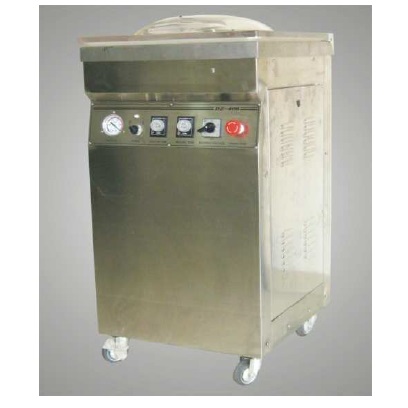
Vacuum Packaging Machines
A vacuum packaging machine is a device that removes air from a package before sealing it. By creating a vacuum, it significantly reduces the oxygen content inside the package, which is a primary cause of spoilage for many perishable goods. This process inhibits the growth of aerobic bacteria, molds, and yeasts, and prevents oxidation, thereby extending the shelf life of food, preventing corrosion of sensitive items, and compacting products for efficient storage.
Types of Vacuum Packaging Machines
By Chamber Type:
Chamber Vacuum Sealers: The entire product and pouch are placed inside a chamber where air is removed before sealing. This is the most common and effective type for reliable vacuum. Suitable for liquids, powders, and delicate items as the atmospheric pressure inside and outside the bag equalizes during vacuum pulling.
External Vacuum Sealers (Suction Sealers): The open end of a special textured or channeled bag is placed over a vacuum port, and air is sucked out before sealing. More compact and typically for home use or light commercial use with solid, dry items.
By Scale & Automation:
Domestic/Home Vacuum Sealers: Compact external sealers for household use.
Commercial/Tabletop Chamber Sealers: Larger, more robust chamber machines for small businesses, restaurants, and delis.
Industrial Floor Model Chamber Sealers: High-capacity chamber machines for larger food processors and industrial applications.
Thermoforming Vacuum Packaging Machines: Automatically forms trays or pouches from roll stock, fills them, pulls a vacuum, and seals them. Used for very high-volume production.
Tray Sealing Machines (with vacuum/MAP): Seals pre-formed trays after creating a vacuum or Modified Atmosphere Packaging (MAP).
Vertical Form-Fill-Seal (VFFS) with Vacuum: Creates, fills, vacuums, and seals bags from a roll of film, typically for granular or free-flowing products.
Applications in Various Industries:
Food & Beverage: Extending shelf life of meat, fish, poultry, cheese, dry goods, prepared meals, fruits, and vegetables. Prevents freezer burn.
Pharmaceuticals: Packaging sterile medical devices, drugs, and sensitive laboratory samples to maintain sterility and prevent oxidation.
Electronics: Protecting sensitive electronic components from moisture and oxidation during storage and transport.
Automotive/Industrial: Packaging metal parts to prevent rust and corrosion.
Textiles/Clothing: Compacting items for storage and transport (e.g., sleeping bags, emergency kits).
Cannabis Industry: Preserving freshness and potency.
Technology:
Vacuum Pump: The core component that removes air from the chamber or bag. Can be oil-lubricated rotary vane pumps (for high vacuum), or oil-less diaphragm/piston pumps (for external sealers).
Sealing Bar/Heat Sealer: Consists of a heated wire or element that creates a strong, airtight seal on the packaging material.
Control System: Microprocessor-based controls for setting vacuum time, seal time, and sometimes gas flushing (MAP) parameters.
Gas Flushing (Modified Atmosphere Packaging - MAP): For some products, after vacuuming, an inert gas mixture (e.g., nitrogen, CO2) is injected into the package before sealing to further enhance shelf life and prevent product crushing.
Sensors: Pressure sensors for vacuum level, temperature sensors for sealing bar.
Automated Lids/Chambers: Pneumatic or electric systems for opening and closing chamber lids.
Bag Presence Detection: Sensors to ensure a bag is correctly positioned before cycling.
Roll Stock Systems: For thermoforming or VFFS machines, handling large rolls of flexible film.
Material Selection Considerations: