
HOTLINE: +91 851-114-2701
1 listings from verified sellers across India
Soap Making Machinery
Soap making machinery refers to a range of equipment used in the industrial production of various types of soap, including bar soap, liquid soap, and specialty soaps. These machines facilitate processes from raw material preparation to mixing, saponification, shaping, drying, and packaging.
Types of Soap Making Machinery
For Bar Soap Production:
Soap Mixers/Kneaders (Plodders): For mixing soap noodles with fragrances, colors, and additives.
Soap Mills (Three-Roll Mills): Refine and homogenize the soap mixture, improving consistency and quality.
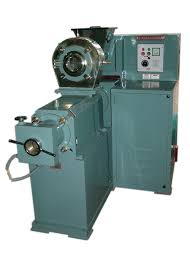
Soap Extruders/Plodders (Vacuum Plodders): Compact and extrude the soap mix into a continuous bar. Vacuum plodders remove air for a denser bar.
Soap Cutters: Cut the continuous bar into individual soap cakes.
Soap Stampers/Presses: Stamp logos, names, and shapes onto the soap cakes.
Soap Wrapping/Packaging Machines: Individually wrap and package the finished soap bars.
For Liquid Soap Production:
Reaction Vessels/Mixers: For combining raw materials (oils, alkalis, water, surfactants) and facilitating the saponification process.
Homogenizers/Dispersers: To ensure uniform mixing and consistency.
Filling and Capping Machines: For bottling the liquid soap.
For Specialty Soaps (e.g., Transparent, Glycerin, Medicated): Often require specialized heating, cooling, and mixing equipment.
Applications in Various Industries
Personal Care Industry: Manufacturing bath soaps, facial soaps, hand soaps, body washes, and specialty soaps.
Household Products Industry: Production of laundry soaps, dishwashing liquids, and cleaning bar soaps.
Pharmaceutical Industry: Manufacturing medicated soaps with specific active ingredients.
Cosmetics Industry: Producing luxurious and artisanal soaps.
Material Selection Considerations
Product Contact Parts: