
HOTLINE: +91 851-114-2701
1 listings from verified sellers across India
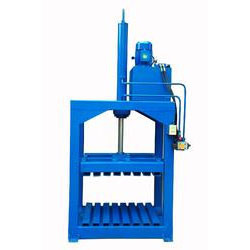
Sealing Machines
Equipment used to create a hermetic seal on packaging, containers, or products to protect contents from contamination, moisture, or tampering, and to preserve freshness.
Types of Sealing Machines
Heat Sealers: Use heat and pressure to melt and bond thermoplastic materials.
Impulse Sealers: Apply heat for a short pulse, then cool under pressure.
Constant Heat Sealers: Maintain continuous heat.
Band Sealers: Continuous sealing for higher volume.
L-Bar Sealers: For shrink wrapping.
Pouch Sealers: For sealing pre-made pouches.
Induction Sealers: Use electromagnetic induction to create a non-contact seal (often for bottle caps with foil liners).
Vacuum Sealers: Remove air before sealing, preserving perishables.
Bag Sealers: Specifically for sealing plastic bags.
Tray Sealers: For sealing trays with film.
Blister/Clamshell Sealers: For sealing blister packs.
Applications in Various Industries:
Food & Beverage: Packaging snacks, coffee, frozen meals, fresh produce, liquids.
Pharmaceuticals: Sealing sterile products, blister packs, tamper-evident seals.
Cosmetics: Packaging creams, lotions.
Chemicals: Sealing hazardous materials, industrial products.
Electronics: Protecting sensitive components from moisture.
Medical Devices: Sterile packaging.
Material Selection Considerations