
HOTLINE: +91 851-114-2701
1 listings from verified sellers across India
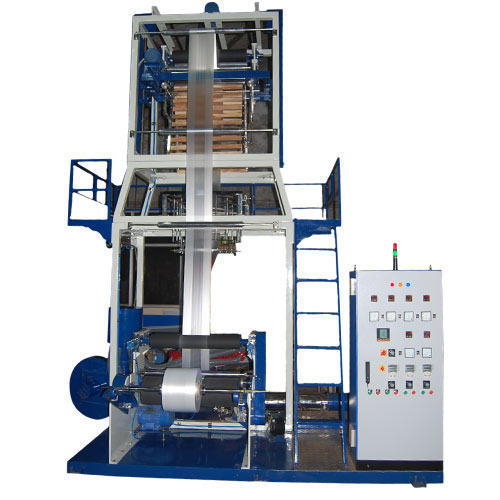
Sortex Machine (Optical Sorter)
An optical sorting machine, commonly referred to as a Sortex machine (a brand name that became generic), uses cameras and advanced image processing to identify and remove defective items, foreign materials, or items of different colors/shapes from a bulk product stream.
Types of Sortex Machine
Belt Sorters: Products are conveyed on a belt, and cameras inspect them from above and/or below. Suitable for fragile or irregularly shaped products.
Chute Sorters: Products slide down a chute under gravity, and cameras inspect them as they fall. High throughput, common for granular products.
Free-Fall Sorters: Similar to chute sorters but products are in free fall, allowing inspection from multiple angles.
Applications in Various Industries
Food Processing:
Grains & Pulses: Removing discolored grains, foreign matter, stones from rice, wheat, coffee beans, lentils.
Nuts & Seeds: Sorting almonds, peanuts, cashews, sunflower seeds.
Fruits & Vegetables: Sorting berries, diced vegetables, frozen produce, removing rot/blemishes.
Spices: Ensuring purity.
Recycling: Sorting plastics, glass, metals by color or material type.
Mining: Sorting minerals.
Pharmaceuticals: Tablet inspection.
High-Resolution Cameras: Monochromatic, color (RGB), or near-infrared (NIR) cameras to detect subtle differences.
Advanced Image Processing Software: Algorithms for defect detection, color analysis, shape recognition.
Ejection System: High-speed pneumatic ejectors (air nozzles) that precisely blast unwanted items from the product stream.
LED Illumination: Consistent and controlled lighting.
Multi-Sort Capabilities: Can sort for multiple criteria simultaneously.
User-Friendly HMI: For setting parameters and monitoring performance.
Self-Cleaning Features: To maintain optical clarity.
Material Selection Considerations