
HOTLINE: +91 851-114-2701
1 listings from verified sellers across India
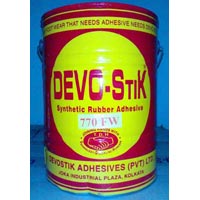
Adhesives, Glue and Sealants
Adhesives, glues, and sealants are substances used to bond two surfaces together (adhesives/glues) or to create a barrier against the passage of fluids or gases (sealants). While often used interchangeably, sealants typically have lower strength but higher flexibility than adhesives.
Types of Adhesive, Glue and Sealants
Adhesives/Glues:
Natural:
Animal glue, starch glue.
Synthetic:
Reactive: Epoxies, Polyurethanes, Cyanoacrylates (Super Glue), Silicones, Acrylics.
Non-Reactive: Hot melt adhesives, Pressure Sensitive Adhesives (PSAs), Solvent-based adhesives, Water-based adhesives (PVA, EVA).
Sealants:
Silicones, Polyurethanes, Acrylics, Butyl, Polysulfides.
Applications in Various Industries:
Construction: Bonding building materials (wood, concrete, metal), sealing joints, weatherproofing.
Automotive: Bonding body panels, interior components, sealing windows and engines.
Electronics: Encapsulation, bonding components, thermal management.
Packaging: Sealing boxes, laminating films.
Aerospace: Bonding lightweight structures, sealing fuel tanks.
Healthcare: Medical devices, wound dressings.
Consumer Goods: Footwear, furniture, DIY repairs.
Material Selection Considerations: