
HOTLINE: +91 851-114-2701
2 listings from verified sellers across India
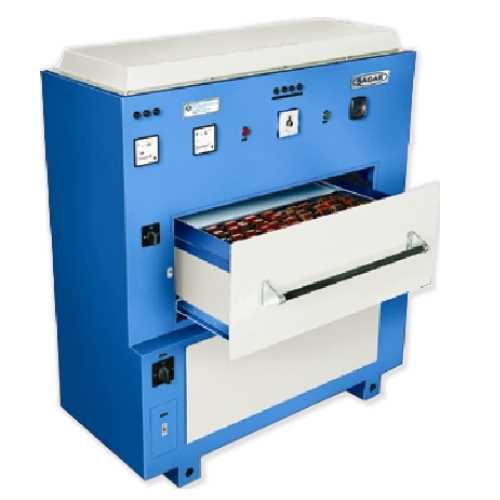
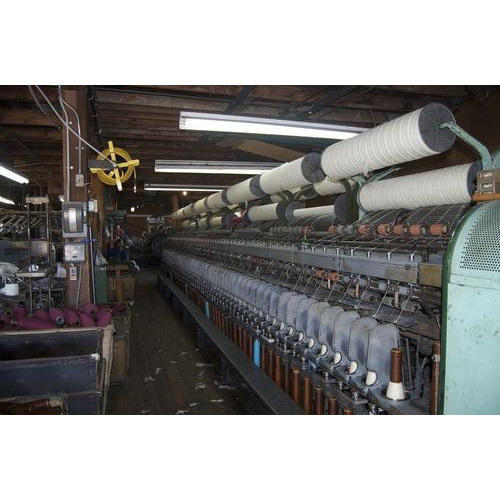
Textile spinning machinery is used to transform raw fibres into yarn for fabric manufacturing and other textile applications. The spinning process determines important yarn characteristics such as thickness, strength, uniformity and texture. Textile mills use different spinning technologies to process cotton, synthetic, blended and speciality fibres according to their production requirements. Modern spinning machines help manufacturers maintain yarn consistency while managing continuous industrial production.
Yarn manufacturing involves a sequence of operations that prepare fibres and convert them into a continuous yarn structure. Fibre opening and cleaning remove impurities, while carding separates and arranges fibres. Drawing improves fibre alignment and strand uniformity. The spinning stage adds twist to form yarn, followed by winding for storage and further processing. Each stage contributes to the quality and characteristics of the finished yarn.
The choice of spinning technology influences yarn structure, production speed and the type of fibre that can be processed.
Ring Spinning Technology – Produces yarn by drafting fibres and inserting twist through a ring and spindle arrangement.
Open End Spinning Technology – Uses rotor-based spinning to form yarn from prepared fibre strands.
Two For One Twisting Technology – Adds two twists in one spindle rotation to improve yarn structure for selected applications.
Coir Spinning Technology – Converts prepared coconut fibres into yarn for rope, mat and other coir product manufacturing.
Yarn quality depends on fibre length, fineness, strength, cleanliness and uniformity. Machine settings and process conditions also influence the final yarn characteristics. Manufacturers must select suitable spinning technology and operating parameters to achieve the required yarn count, strength and consistency. Proper fibre preparation and machine maintenance are equally important for reducing yarn irregularities and production interruptions.
Spinning performance depends on the coordination of machinery, raw materials and production conditions. Machine speed, spindle configuration, drafting settings and yarn specifications influence output and quality. Power consumption, automation, maintenance intervals and availability of spare parts also affect long-term operating efficiency. Selecting equipment according to mill capacity and production objectives helps maintain a balanced manufacturing process.
Textile spinning machines support yarn production across several manufacturing sectors.
Cotton Textile Mills – Produce cotton yarn for woven and knitted fabrics.
Synthetic Yarn Manufacturing – Process polyester, viscose and other man-made fibres.
Blended Yarn Production – Combine different fibre types to achieve specific yarn properties.
Home Textile Manufacturing – Supply yarn for towels, bedsheets, curtains and furnishing materials.
Coir Product Manufacturing – Produce coir yarn for ropes, mats and related products.
Industrial Textile Production – Supply yarn for selected technical and industrial textile applications.
Explore textile spinning machinery on Indian Trade Bird to connect with manufacturers, suppliers and dealers across India. Compare available machinery based on spinning technology, fibre compatibility, yarn specifications and production requirements.