
HOTLINE: +91 851-114-2701
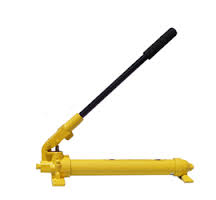
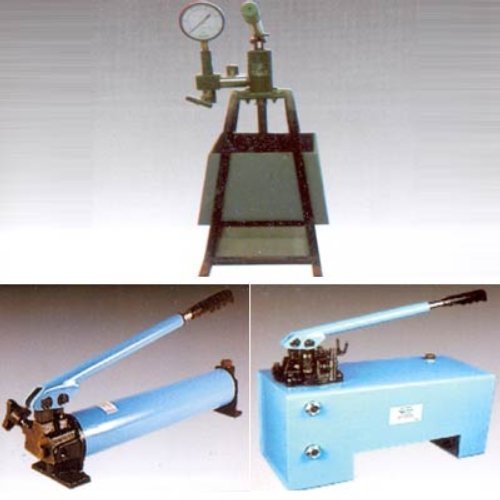
Hydraulic Hand Pumps
A hydraulic hand pump is a manually operated pump that generates hydraulic pressure for use with hydraulic tools or systems. Essentially, it uses a human-powered lever or piston to pressurize hydraulic fluid and drive an actuator (like a hydraulic jack or cylinder). It typically contains a reservoir, pump mechanism, valves, and a handle. As described by Enerpac, “a hydraulic hand pump does a simple job, which is to deliver pressurized hydraulic flow to a tool and then return it back to the pump reservoir”.
Types of Hydraulic Hand Pumps
Hydraulic hand pumps vary by design and capacity:
Number of Stages: Single-stage pumps deliver full pressure with each stroke, while two-stage pumps start with a low-pressure high-volume stage and switch to high-pressure low-volume for faster approach and finer control. Enerpac notes two-stage vs single-stage differences for efficient operation.
Operation Style: Lever-operated pumps (hand lever or foot pedal) vs piston pumps. Lever pumps are common for portable use, while foot pumps allow hands-free operation.
Pressure Range: Typically, from a few thousand psi (e.g. 10,000 psi) for small pumps up to ~20,000 psi for heavy-duty models. Some are designed for low-pressure (portable jacks) and others for high-pressure (tensioning bolts).
Materials and Portability: Pumps may have steel or composite bodies; some are very lightweight for field use.
Applications in Various Industries
Hydraulic hand pumps are used wherever controlled high force is needed portably:
Maintenance and Assembly: Operating hydraulic jacks, presses, and cylinders for pressing bearings, lifting machinery, bending metal.
Construction: Portable lifting and tensioning on-site where electric/hydraulic power is unavailable.
Automotive: Brake bleeding, clutch operation, hydraulic crimping and shop press tasks.
Manufacturing and Fabrication: Feeding hydraulic presses, flaring tubes, or applying clamps in assembly lines.
Emergency/Rescue: Hand-powered rescue tools (jaws, spreaders) use small pumps as backup.
Material Selection Considerations
Key materials balance strength and weight: