HOTLINE: +91 851-114-2701
14 listings from verified sellers across India
Storage Tanks, Drums, Containers
Storage tanks, drums, and containers are vessels designed for the temporary or long-term containment of liquids, gases, or bulk solids. They play a critical role in various industries for processing, transportation, and inventory management. The "product" refers to these containment vessels themselves.
Types of Storage Tanks, Drums, Containers
By Shape:
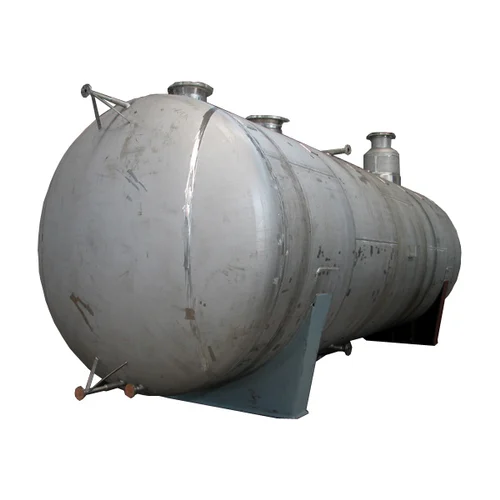
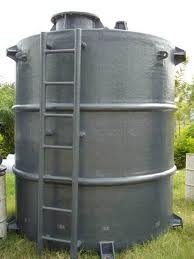
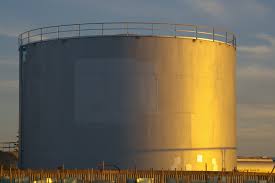
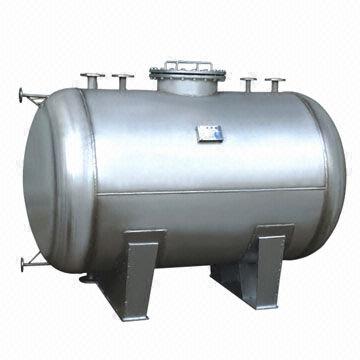
Vertical cylindrical (most common), horizontal cylindrical, spherical (for high-pressure gases), rectangular.
By Application:
Atmospheric Tanks: For non-volatile liquids at ambient pressure (e.g., water, non-hazardous chemicals).
Low-Pressure Tanks: For slightly volatile liquids or gases (e.g., some petroleum products).
Pressure Vessels: Designed for high-pressure liquids or gases (e.g., LPG, natural gas, industrial gases, boiler feed water).
Cryogenic Tanks: For storing liquefied gases at very low temperatures (e.g., LNG, liquid oxygen/nitrogen).
Flat-Bottom Tanks: For large volume storage.
Conical/Dished Bottom Tanks: For ease of draining contents.
Underground Storage Tanks (USTs) / Aboveground Storage Tanks (ASTs): Classified by their installation location.
Tank Farms: Collections of multiple storage tanks.
Drums:
Medium-sized, cylindrical containers, typically 55-gallon (208-liter) capacity, designed for transport and storage of liquids or solids.
Steel Drums: Open-head (removable lid for solids/viscous liquids) or tight-head (sealed for liquids).
Plastic Drums (Polyethylene): Similar open/tight head designs, often used for chemicals due to corrosion resistance.
Fiber Drums: Made from cardboard, for dry bulk solids.
Containers: A very broad category encompassing various smaller and specialized vessels.
Intermediate Bulk Containers (IBCs): Reusable industrial containers, often cubic or rectangular, with a pallet base for easy handling by
Jerry Cans: Small, portable containers for liquids (fuel, water).
Buckets/Pails: Smaller containers for liquids or solids.
Barrels: Traditional wooden or metal cylindrical containers.
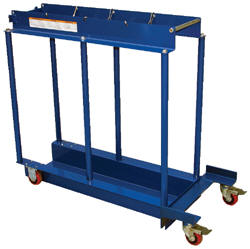
Gas Cylinders/Bottles: High-pressure containers for compressed or liquefied gases (e.g., oxygen, acetylene, propane).
Storage Bins/Totes: For bulk solids or parts.
Applications in Various Industries
Oil & Gas: Storing crude oil, refined fuels, lubricants (tanks, drums, IBCs).
Chemical & Petrochemical: Storing raw materials, intermediate products, and finished chemicals (tanks, drums, IBCs, pressure vessels).
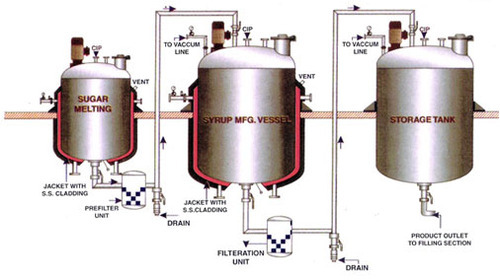
Food & Beverage: Storing ingredients (sugar, oil, milk), processed foods, beverages (hygienic tanks, drums).
Water Treatment: Storing raw water, treated water, wastewater, chemicals (water tanks, chemical tanks).
Pharmaceuticals: Storing bulk APIs, solvents, purified water (sanitary tanks, drums).
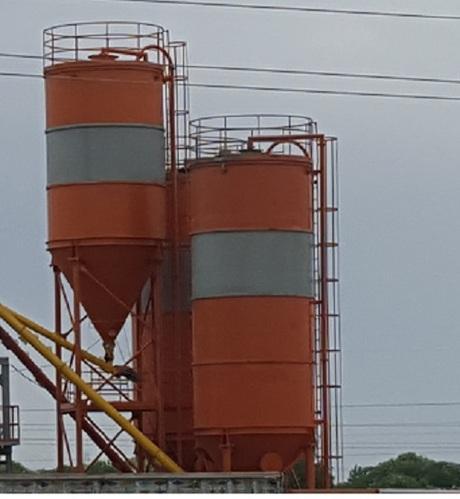
Agriculture: Storing fertilizers, pesticides, grains, animal feed, water (tanks, silos, drums, bulk bags).
Manufacturing: Storing raw materials, work-in-progress, finished goods, coolants, waste (tanks, drums, bins).
Logistics & Shipping: Transporting bulk liquids/solids globally (tankers, containers, IBCs)
Material Selection Considerations
Metals: