
HOTLINE: +91 851-114-2701
2 listings from verified sellers across India
.jpg)
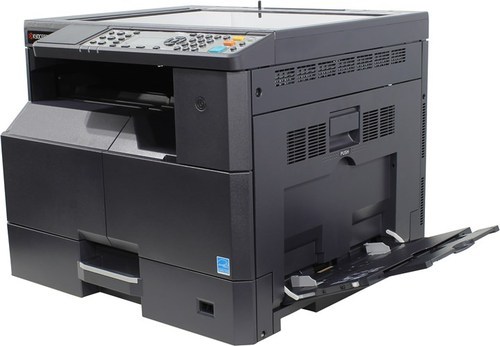
Xerox Machine (Photocopier)
A Xerox machine, more commonly known as a photocopier, is a device that makes paper copies of documents and other visual images quickly and cheaply. The process, known as xerography, is a dry photocopying technique invented by Chester Carlson in 1938 and commercialized by Xerox Corporation.
Types of Xerox Machine
Analog Photocopiers: Older technology, less common now.
Digital Photocopiers: Most common type today, convert images into digital data, allowing for enhancements, editing, and integration with networks.
Multifunction Printers (MFPs): Combine copying, printing, scanning, and faxing capabilities into a single device.
Color Photocopiers: Produce copies in full color.
Black and White Photocopiers: Produce monochrome copies.
Production Photocopiers: High-volume machines designed for commercial printing environments.
Applications in Various Industries
Applications:
Offices (document duplication, archiving), educational institutions (course materials, handouts), print shops (high-volume copying), legal firms (copying case files), healthcare (patient records).
Technology:
Xerography Principle: Uses static electricity (electrostatic charge) to attract toner particles to a drum or belt, which then transfers the image to paper.
Laser Technology: Digital photocopiers use lasers to "draw" the image on the photoconductive drum.
Scanning Technology: Integrated scanners convert physical documents into digital files.
Network Connectivity: Allows sharing and printing from multiple devices over a network.
Touchscreen Interfaces: User-friendly operation.
Cloud Integration: Print from and scan to cloud services.
Security Features: User authentication, data encryption, secure erase features.
Material Selection Considerations
Internal Components: