
HOTLINE: +91 851-114-2701
1 listings from verified sellers across India
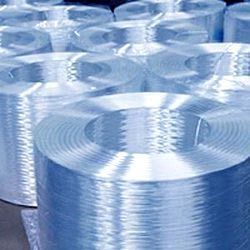
Fiber
"Fiber" is a broad term referring to a class of materials that are continuous filaments or are in discrete elongated pieces, resembling threads. They are fundamental building blocks for many products across various industries, offering properties like strength, flexibility, and insulation.
Types of Fiber
Natural Fibers:
Plant-based: Cotton, Linen (flax), Jute, Hemp, Ramie, Sisal, Coir (coconut).
Animal-based: Wool, Silk, Mohair, Cashmere, Alpaca.
Mineral-based: Asbestos (historically, now largely restricted due to health concerns).
Man-Made Fibers:
Cellulosic (Regenerated): Viscose (Rayon), Lyocell (Tencel), Modal.
Synthetic: Polyester, Nylon (Polyamide), Acrylic, Spandex (Elastane/Lycra), Polypropylene, Carbon Fiber, Glass Fiber, Aramid (Kevlar, Nomex), UHMWPE (Ultra-High Molecular Weight Polyethylene).
Applications in Various Industries
Textiles & Apparel: Clothing, upholstery, carpets, ropes, nets, non-woven fabrics (diapers, wipes).
Composites: Reinforcement in plastics, concrete, metals (e.g., carbon fiber in aerospace/automotive, glass fiber in boats/wind turbine blades).
Filtration: Filter media for air, water, and industrial processes.
Insulation: Thermal and acoustic insulation (e.g., fiberglass insulation, mineral wool).
Medical: Sutures, bandages, surgical implants (e.g., certain polyesters, carbon fiber).
Automotive: Seatbelts, airbags, tire reinforcement, interior fabrics, lightweight body panels.
Construction: Geotextiles, concrete reinforcement.
Material Selection Considerations