
HOTLINE: +91 851-114-2701
1 listings from verified sellers across India
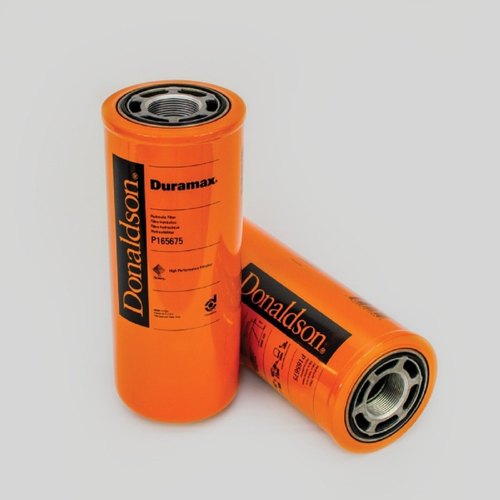
Hydraulic Filters
Hydraulic filters are critical components used in hydraulic systems to maintain the cleanliness of the hydraulic fluid. By removing contaminants such as dirt, dust, metal particles, and water, hydraulic filters ensure the smooth operation and longevity of hydraulic machinery. They are designed to protect sensitive hydraulic components like pumps, valves, and actuators from damage caused by contaminants. These filters are available in various designs and configurations to accommodate different system requirements, ranging from industrial machinery to automotive and aerospace applications. The efficiency and reliability of hydraulic filters directly impact the performance and durability of the entire hydraulic system.
Types of Hydraulic Filters
Suction Filters
Suction filters are located on the suction side of a hydraulic pump, where they filter the fluid before it enters the pump. These filters prevent large debris and particles from damaging the pump. Suction filters are generally used in low-pressure applications and are typically coarse filters designed to catch larger contaminants.
Return Line Filters
Return line filters are placed in the return line of a hydraulic system, where the hydraulic fluid is returned to the reservoir after circulating through the system. These filters are designed to remove contaminants from the fluid before it re-enters the reservoir. They are typically finer filters compared to suction filters and provide higher filtration levels to protect the hydraulic system.
Pressure Filters
Pressure filters are installed in the high-pressure line of a hydraulic system, between the pump and the actuator. These filters ensure that any contaminants in the fluid are removed before the fluid reaches critical components such as valves, cylinders, and motors. Pressure filters are designed to withstand higher pressures and typically feature a fine filtration media to capture smaller particles.
Inline Filters
Inline filters are positioned directly in the hydraulic fluid flow line, often in parallel with the system’s other components. These filters provide effective filtration in a compact design and can be used in various parts of the hydraulic system, including the suction, return, and pressure lines. They are commonly used in smaller hydraulic systems or in applications where space is limited.
Breather Filters
Breather filters are installed on the reservoir of a hydraulic system to prevent contaminants from entering the fluid through the air intake. These filters help maintain a clean environment by filtering airborne particles and moisture before they can enter the hydraulic reservoir. Breather filters are essential for preventing external contaminants from affecting fluid quality.
Magnetic Filters
Magnetic filters use a magnetic field to attract and remove ferrous (metallic) particles from the hydraulic fluid. These filters are often used in conjunction with other types of filters for added protection, especially in systems where metal particles may be present due to wear or friction. They are highly effective at capturing tiny metal fragments that could otherwise pass through traditional filter media.
Cartridge Filters
Cartridge filters are replaceable filter elements that fit into filter housings. These filters can be used in various parts of the hydraulic system, including suction, return, and pressure lines. Cartridge filters come in different materials, such as cellulose, synthetic fibres, and pleated metal, and are designed for ease of maintenance and replacement.
Full Flow Filters
Full flow filters are designed to filter all of the hydraulic fluid that passes through the system. These filters ensure that contaminants are removed at every stage of the process, offering complete protection for the system. Full flow filters are commonly used in large hydraulic systems and applications where maximum cleanliness is required.
Bypass Filters
Bypass filters are used in conjunction with other filtration systems to provide additional filtration when the primary filter becomes clogged or is unable to perform at full capacity. These filters divert a portion of the fluid flow through a secondary filter to ensure continued filtration while maintaining system performance.
Deep Element Filters
Deep element filters use a thick filtration medium to trap contaminants in a larger depth of the filter media. These filters are ideal for capturing fine particles and are often used in systems where high filtration efficiency is required. Deep element filters can be used in both suction and return lines for optimal protection.
Applications in Various Industries
Industrial Machinery
Hydraulic filters are crucial in industrial machinery, including presses, cranes, and excavators, where hydraulic systems are extensively used. They help maintain the cleanliness of the hydraulic fluid and ensure the smooth operation of heavy machinery.
Automotive Industry
In the automotive industry, hydraulic filters are used in vehicles with hydraulic braking systems, power steering, and suspension systems. They help protect hydraulic A’’d’components from contamination, ensuring the vehicle's safety and performance.
Aerospace Industry
In the aerospace sector, hydraulic filters are employed in aircraft hydraulic systems to ensure that hydraulic fluids remain free from contaminants. These filters help protect critical flight control systems and landing gear mechanisms, where fluid cleanliness is essential for safety and performance.
Construction and Mining Equipment
Hydraulic filters are used in construction and mining machinery, such as bulldozers, loaders, and drilling rigs. These machines often operate in harsh environments where dust and dirt are prevalent, making hydraulic filtration essential to prevent system damage and downtime.
Agricultural Equipment
Agricultural machinery, including tractors and harvesters, relies on hydraulic systems to operate various components such as lifts, plows, and steering mechanisms. Hydraulic filters help maintain the fluid quality in these systems, ensuring they function properly in challenging conditions.
Oil and Gas Industry
In the oil and gas industry, hydraulic filters are used in drilling rigs, pump systems, and other heavy equipment. These filters ensure that the hydraulic fluid remains clean despite exposure to abrasive particles, chemicals, and high temperatures commonly encountered in drilling operations.
Marine Industry
In marine applications, hydraulic filters are used to protect the hydraulic systems on vessels such as ships, submarines, and oil rigs. These filters help maintain the efficiency of steering systems, winches, and cranes, particularly in harsh sea environments.
Power Generation
Hydraulic filters are used in power plants, particularly in systems that rely on turbines and pumps. These filters help ensure the reliability of the hydraulic systems that operate turbines and other essential machinery, preventing downtime and costly repairs.
Food and Beverage Industry
In food processing plants, hydraulic filters are used to maintain clean hydraulic fluid in machinery used for food packaging, processing, and bottling. Given the hygiene standards in the food industry, these filters are critical for preventing contamination.
Pharmaceutical Industry
The pharmaceutical industry uses hydraulic systems in manufacturing equipment, packaging machines, and other machinery. Hydraulic filters help maintain the purity of the hydraulic fluid, which is crucial for maintaining sterile conditions in sensitive pharmaceutical production environments.
Material Selection Considerations