
HOTLINE: +91 851-114-2701
1 listings from verified sellers across India
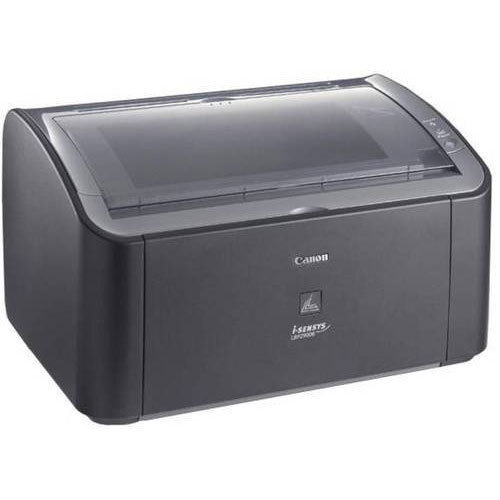
Digital Printer
In an industrial context, a digital printer is a machine that prints images or text from a digital file onto various substrates without using traditional printing plates. Common industrial digital printing technologies include inkjet (piezo or thermal), laser (toner-based), UV-curable flatbed and roll-to-roll printers, and direct-to-garment/textile printers.
Type of Digital Printer And Applications in Various Industries
Inkjet machines that print on large rolls or sheets of vinyl, fabric, paper, or film for signage, banners, wallpapers, and decals. Eco-solvent, latex, and UV inks allow printing on indoor/outdoor media.
Textile printers: Digital textile printers (direct-to-fabric) that use reactive, disperse, or pigment inks to print on cotton, polyester, or blends for apparel, home textiles, or soft signage. Dye-sublimation printers print on transfer paper for polyester fabrics.
Label and package printers: Digital label presses and carton printers that print on adhesives label stock or corrugated board for short-run packaging.
UV flatbed / 3D printers: For rigid substrates (acrylic, wood, metal, plastics) – e.g. UV printers for promotional items, panels, or custom parts.
Material Selection Considerations
Materials vary by printer type. For inkjet heads, ceramics and piezo elements are common. The machine frame is steel. Rollers and feed systems often use rubber-coated steel. In textile printers, print tables use aluminum framing. UV printers include LED lamps (electronic components) and flatbed tables (stainless or aluminum). Substrates (the media) themselves can be vinyl, fabric, plastic, etc., chosen for ink compatibility. Inks (pigment, solvent, aqueous dye) must match substrate. Mechanical parts like cutters or platen plates are steel or aluminum. Durability of parts (rollers, printheads) is balanced with cost, given ink exposure and mechanical motion.
Everything you need to know about digital printer
In general, if a run is less than 1,500 items, digital printing is the most cost-effective option, as the price per click is lower than offset printing setup costs.
Even if you just print one sample, this offset machine will cost you at least Rs 3000 to set up. Is it wise to spend Rs 3000 on a single print? We have digital technology to fill this huge cost gap for less than 1000 impressions.
Digital offset printing is a form of printing that uses an imaging plate that has been electrostatically charged. The ink is applied to the discharged areas before being moved to a heated towel, the picture drum, and finally the substrate.