
HOTLINE: +91 851-114-2701
3 listings from verified sellers across India
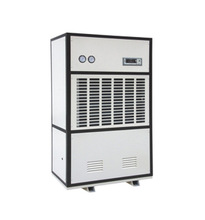
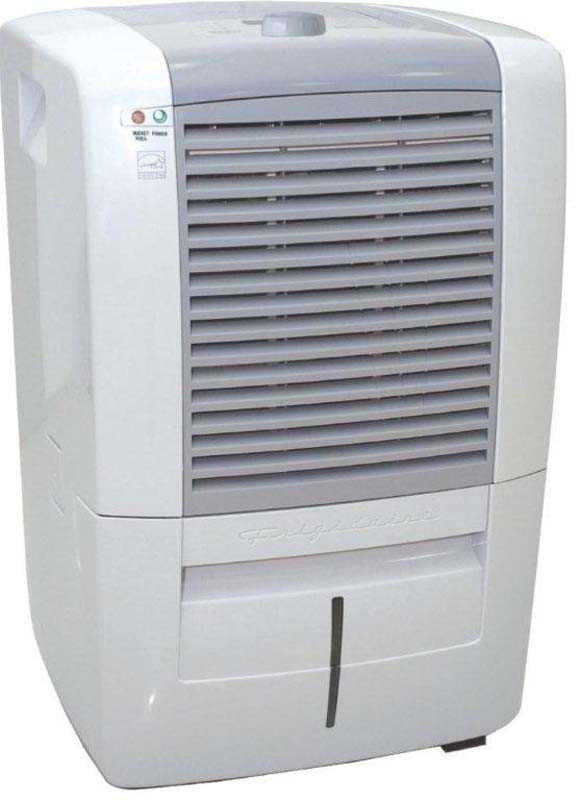

Industrial Dehumidifiers
An industrial dehumidifier is a piece of equipment designed to remove excess moisture from the air in large commercial or industrial spaces. Maintaining optimal humidity levels is critical for product quality, process efficiency, structural integrity, and occupant comfort in various industrial settings.
Types of Industrial Dehumidifiers
Refrigerant/Condensation Dehumidifiers:
Work like an air conditioner. Air passes over a cold coil, moisture condenses and drains away, and the dry air is reheated before being discharged.
Portable/Mobile Units: For temporary or spot dehumidification.
Ducted/Fixed Units: Integrated into HVAC systems for larger areas.
Desiccant/Adsorption Dehumidifiers:
Use a desiccant material (e.g., silica gel, lithium chloride) that chemically or physically adsorbs moisture from the air. A separate regeneration air stream heats the desiccant to release the moisture, which is then exhausted.
Rotary Desiccant Wheels: Common for continuous operation.
Fixed Bed Desiccants: For batch or smaller applications.
Hybrid Dehumidifiers:
Combine both refrigeration and desiccant technologies for enhanced performance in specific conditions.
Applications in Various Industries
Food & Beverage: Preventing mold growth, preserving product freshness (e.g., in bakeries, candy factories, cold storage), ensuring consistent drying processes.
Pharmaceuticals: Maintaining precise humidity for drug manufacturing, storage of moisture-sensitive ingredients, and tablet coating processes.
Plastics Manufacturing: Drying hygroscopic plastics before molding/extrusion to prevent defects.
Chemical Industry: Preventing caking of hygroscopic powders, controlling reactions sensitive to moisture.
Printing & Paper: Preventing paper warping, improving print quality, maintaining stable paper characteristics.
Warehousing & Storage: Protecting sensitive goods (electronics, archival documents, military equipment) from moisture damage and corrosion.
Construction: Drying out buildings after water damage, accelerating drying of concrete/paint.
Water Treatment Plants: Preventing condensation and corrosion on pipes and equipment.
Automotive: Protecting sensitive electronic components during assembly or storage.
Technology:
Refrigerant: Vapor compression cycle, coils (evaporator, condenser), compressor, fan, refrigerant.
Desiccant: Desiccant wheel (honeycomb structure), regeneration heater, fans for process and regeneration airflows.
Control Systems: Humidistats, temperature sensors, PLCs, energy recovery systems, often integrated with building management systems.
Material Selection Considerations