
HOTLINE: +91 851-114-2701
1 listings from verified sellers across India
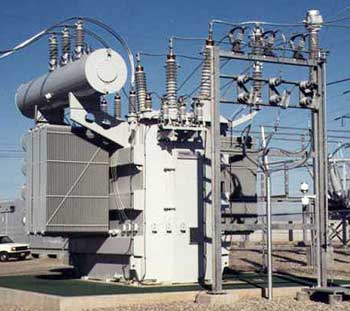
Electrical Transformer
An electrical transformer is a static electrical device that transfers electrical energy between two or more circuits through electromagnetic induction. It is used to step up or step down AC voltages and currents, facilitating the efficient transmission and distribution of electrical power.
Types of Electrical Transformer
Based on Voltage Level:
Step-Up Transformer: Increases voltage from primary to secondary, commonly used at power generation stations for long-distance transmission.
Step-Down Transformer: Decreases voltage from primary to secondary, widely used in substations and households to reduce high transmission voltages to safer levels for consumption.
Based on Core Type:
Core Type Transformer: Windings surround a significant portion of the core.
Shell Type Transformer: The core surrounds a significant portion of the windings.
Based on Cooling Medium:
Oil-Filled Transformer: Insulated and cooled by mineral oil (most common).
Dry Type Transformer: Air-cooled, suitable for indoor applications where fire safety is a concern.
Based on Application:
Power Transformer: Used in transmission networks to step up or step down high voltages.
Distribution Transformer: Used in distribution networks to step down voltage for local consumption.
Applications in various Industries
Power Generation & Transmission: Essential for efficient long-distance transmission of electricity by stepping up voltage and then stepping it down for distribution.
Industrial Applications: Powering heavy machinery, motors, and industrial equipment requiring specific voltage levels.
Commercial & Residential: Stepping down utility voltage to safe levels for homes and businesses.
Electronics: Used in power supplies for various electronic devices, providing required voltage and current.
Medical Equipment: Isolation transformers are critical for safety in medical devices to prevent electrical shocks.
Renewable Energy: Integrated with solar inverters and wind turbines to adjust voltage levels for grid connection.
Material Selection Considerations
Core Material: