Hollow Block Making Machine Manufacturer
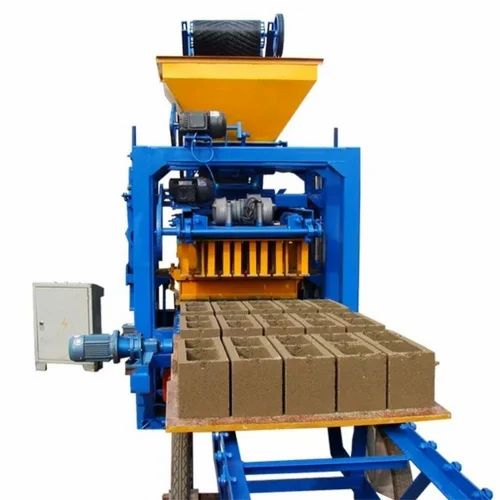
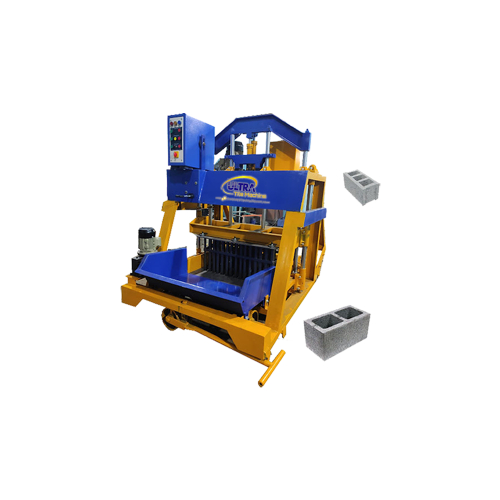
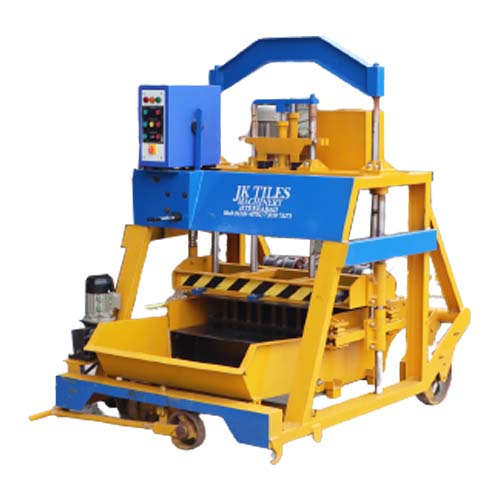
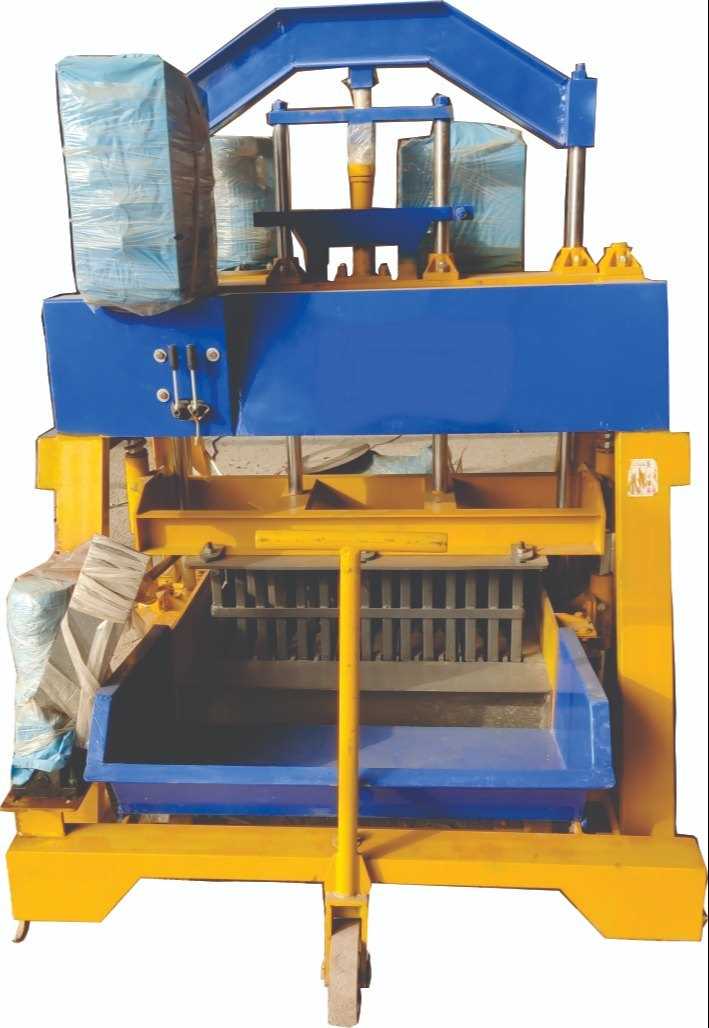
The Hollow Block Making Machine is a revolutionary piece of equipment designed to manufacturer and supplier hollow concrete blocks used in construction. Known for its durability, versatility, and efficiency, this machine has become a vital component in modern infrastructure and real estate development projects. It is used to produce concrete blocks with hollow centers, reducing the weight of the structure while maintaining its strength and insulating properties.
A machine designed to produce hollow concrete blocks, which are commonly used in construction for their insulating properties, reduced material consumption compared to solid blocks, and ease of laying.
Types of Hollow Block Making Machine
- Manual/Hand-Operated Hollow Block Machines: Small scale, often lever-operated, low production capacity.
- Hydraulic Hollow Block Machines: Use hydraulic power for compaction, offering higher force and denser blocks. Can be semi-automatic or automatic.
- Vibrating Hollow Block Machines: Use vibration to compact the concrete mix, often combined with hydraulic pressing.
- Egg Laying Machines: Mobile machines that "lay" blocks directly on the ground and move to the next position, leaving the blocks to cure. High production rate for simpler blocks.
- Stationary/Fixed Block Machines: Require pallets for block formation and then transfer blocks to a curing area. Higher consistency and automation.
- Block & Paver Machines: Can produce both hollow blocks and concrete pavers by changing molds.
Applications in Industries:
- Construction Industry: Residential and commercial building construction, boundary walls, retaining walls.
- Infrastructure Projects: Bridges, culverts, foundations.
- Landscaping: For specific architectural elements (though solid blocks or pavers are more common here).
- Small-Scale Enterprise: Local block production for builders.
Technology:
- Vibration System: High-frequency vibrators for optimal compaction and density.
- Hydraulic System: For pressing and stripping action (mold opening/closing).
- Batching System: Often integrated with a mixer and aggregate hoppers for controlled mix ratios.
- Mold Design: Precision-machined steel molds for consistent block dimensions.
- Pallet Handling System: Automated pallet feeders and stackers for stationary machines.
- PLC Control: For automated operation, recipe management, and diagnostic.
- Curing Systems: Steam curing or natural curing chambers after block formation.
Material Selection Considerations:
- Frame & Chassis: Heavy-duty structural steel (e.g., Q235, Q345) for strength, rigidity, and vibration resistance.
- Molds: High-carbon wear-resistant steel, often heat-treated or with wear plates, to withstand abrasion from concrete and repeated cycles.
- Hydraulic Cylinders: Chrome-plated steel rods, steel barrels, high-quality seals.
- Vibrator Motors: Robust electric motors designed for vibratory loads.
- Wear Plates: High-manganese steel or other abrasion-resistant alloys in critical wear areas.
- Conveyor Belts (if integrated): Heavy-duty rubber.
- Electrical Components: Industrial-grade for harsh environments.
Popular Search:-
Concrete Block Making Machine | Automatic Concrete Block Making Machine | Semi Automatic Concrete Block Making Machine | Manual Concrete Block Making Machine | Industrial Concrete Block Making Machine | Double Station Concrete Block Making Machine | Hydraulic Concrete Block Making Machine | Fully Automatic Concrete Block Making Machine