
HOTLINE: +91 851-114-2701
2 listings from verified sellers across India
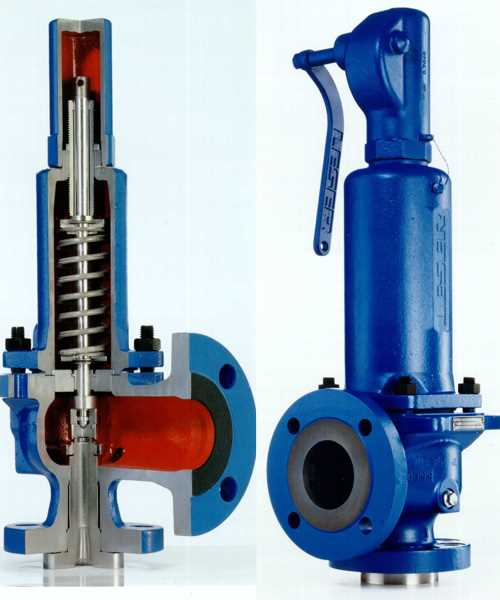
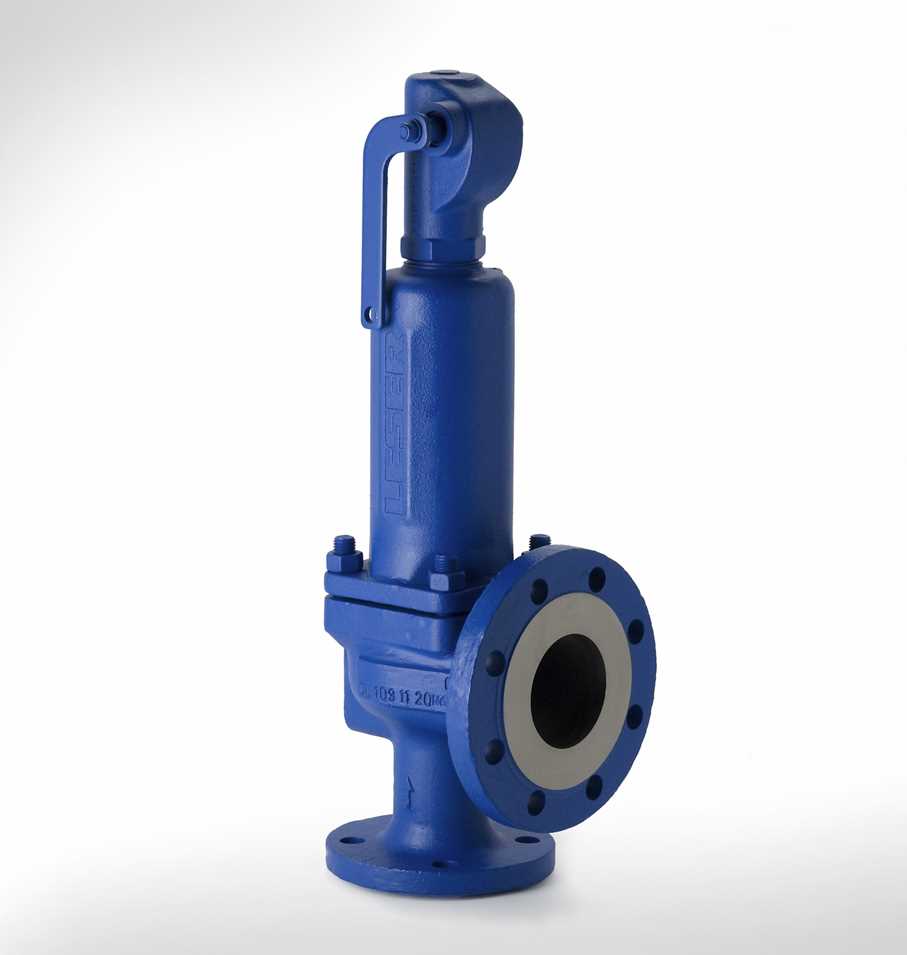
Welcome to Indian Trade Bird, your trusted source for high-performance Safety Valves designed to protect equipment, personnel, and processes. As a leading Safety Valves Manufacturer, we deliver reliable safety solutions that ensure pressure relief, system protection, and compliance with industrial standards.
Our safety valves are engineered for precision, durability, and consistent operation in demanding environments across manufacturing, energy, and process industries.
Safety Valves are critical pressure-relief devices designed to protect equipment, systems, and personnel from excessive pressure. Indian Trade Bird is a trusted B2B portal that connects buyers with verified Safety Valves manufacturers In Surat, offering a wide range of high-quality industrial safety valves for diverse applications.
On Indian Trade Bird, you can explore spring-loaded safety valves, pressure relief valves, boiler safety valves, and high-pressure safety valves manufactured in compliance with industry standards. These valves are widely used in industries such as oil & gas, chemical processing, power plants, steam boilers, pharmaceuticals, and manufacturing units.
Whether you are looking for reliable safety valve suppliers, competitive pricing, or customized industrial safety valve solutions In Surat, Indian Trade Bird helps you compare products, specifications, and trusted manufacturers efficiently on a single platform.
Safety Valves are essential pressure-relief devices that automatically open to release excess pressure from boilers, pipelines, vessels, and equipment. When system pressure exceeds safe levels, our safety valves prevent catastrophic failures by discharging the excess fluid or gas and closing once normal conditions are restored.
Safety valves play a vital role in:
Safety Valves are essential pressure-relief devices designed to protect industrial systems, equipment, and personnel from over-pressure conditions. These valves automatically release excess pressure when a preset limit is exceeded, ensuring safe and uninterrupted operation. Indian Trade Bird is a reliable B2B marketplace that connects buyers with verified Safety Valves manufacturers In Surat, helping industries source high-quality and compliant safety valve solutions with confidence.
Whether you are operating in oil & gas, power generation, chemical processing, or manufacturing, Indian Trade Bird provides a comprehensive platform to discover, compare, and connect with trusted safety valve suppliers across India.
A safety valve is a mechanical device designed to automatically discharge excess pressure from a system when pressure exceeds a predetermined set point. Once the pressure returns to a safe level, the valve closes automatically. Safety valves play a critical role in preventing equipment failure, explosions, and operational hazards.
Safety valves operate using a spring-loaded or pressure-balanced mechanism. When system pressure surpasses the valve’s set pressure, the force overcomes the spring tension, causing the valve to open and release pressure. After pressure normalization, the valve reseats, restoring system stability. These valves function without external power, making them highly reliable in emergency conditions.
Looking for high-quality safety valves that ensure maximum protection and performance for your industrial systems? You’re in the right place. As a leading Safety Valve Manufacturer In Surat, listed on Indian Trade Bird, we deliver precision-engineered safety valves designed to meet the highest industry standards.
Get the Best Safety Valve Solutions Today! If you’re searching for a reliable Safety Valve Manufacturer In Surat, connect with us through Indian Trade Bird now. Send an inquiry today to get the best prices, product details, and expert guidance for your industrial needs.
Safety Valves | Safety Valves Manufacturer | Safety Valves Manufacturer In Surat | Safety Valve Types | Safety Valve Parts | Safety Valve Working Principle | Safety Valve Suppliers India | Top 10 Safety Valves | Best Safety Valves | High-quality Safety Valves | Manufacturer Of Safety Valves | Safety Valves Price In Surat
Everything you need to know about Safety Valves
The Safety Valve's aim is to protect people and property in the event of a failure to regulate device stresses, i.e. it is the last line of defense before complete failure.
Relief valves are used to regulate pressure in a system and are most commonly found in fluid or compressed air systems. The opening of these valves is proportional to the increase in system pressure. Protection valves, unlike relief valves, open automatically and entirely to prevent a catastrophe rather than to regulate a system's pressure.
The diaphragm and piston forms of pilot-controlled safety valves are the most common. The diaphragm type is usually only available for low-pressure applications, and it generates a proportional type operation, which is common in liquid-system relief valves.
The primary purpose of a safety valve is the protection of life, property, and the environment. A safety valve is designed to open and relieve excess pressure from vessels or equipment and to reclose and prevent the further release of fluid after normal conditions have been restored.
A safety valve is a valve that acts as a fail-safe. An example of a safety valve is a pressure relief valve, which automatically releases a substance from a boiler, pressure vessel, or other systems when the pressure or temperature exceeds preset limits.