
HOTLINE: +91 851-114-2701
17 listings from verified sellers across India

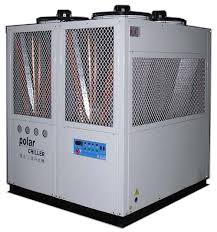
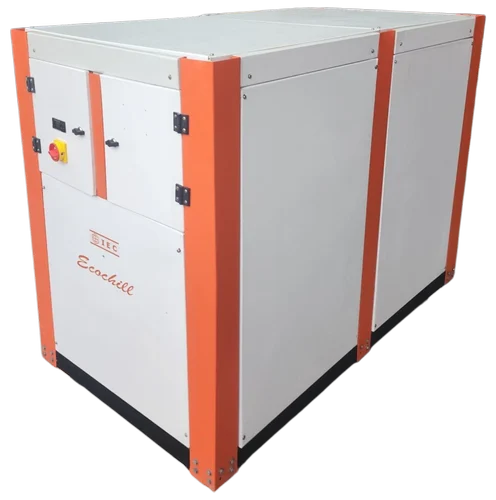
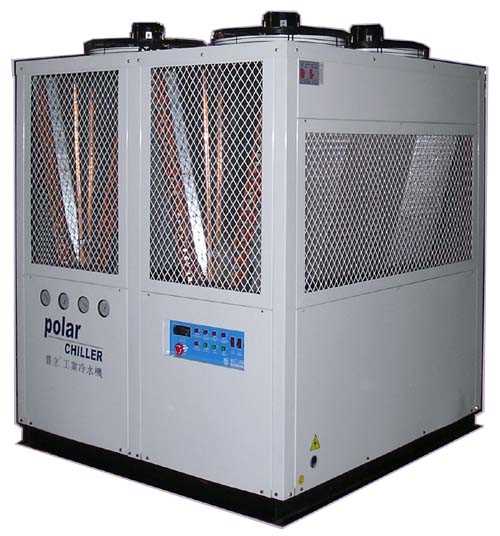
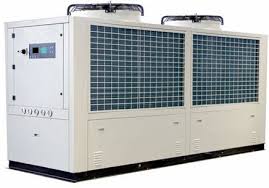
-(1).jpg)
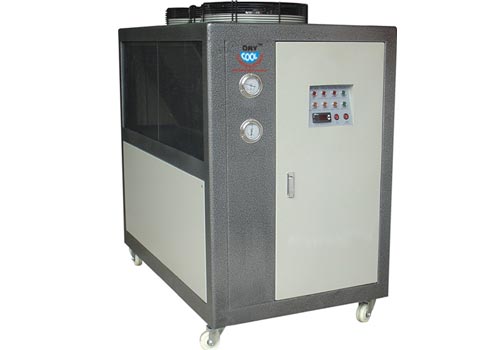
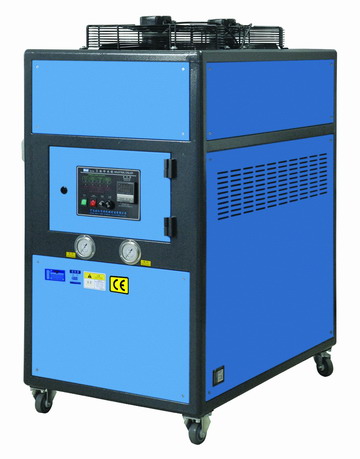
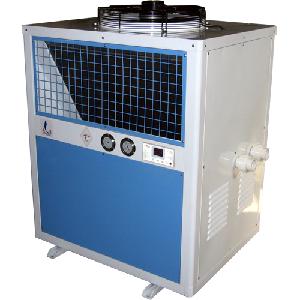
Industrial Chillers
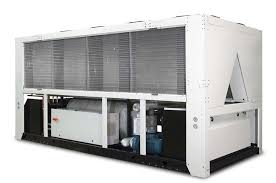
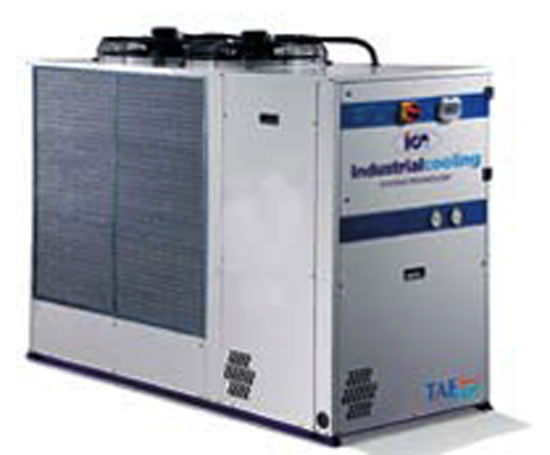
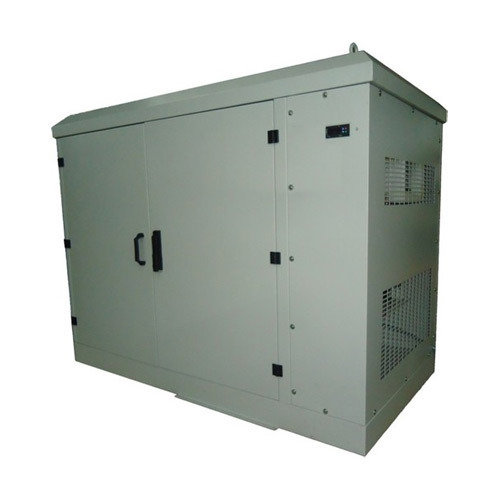
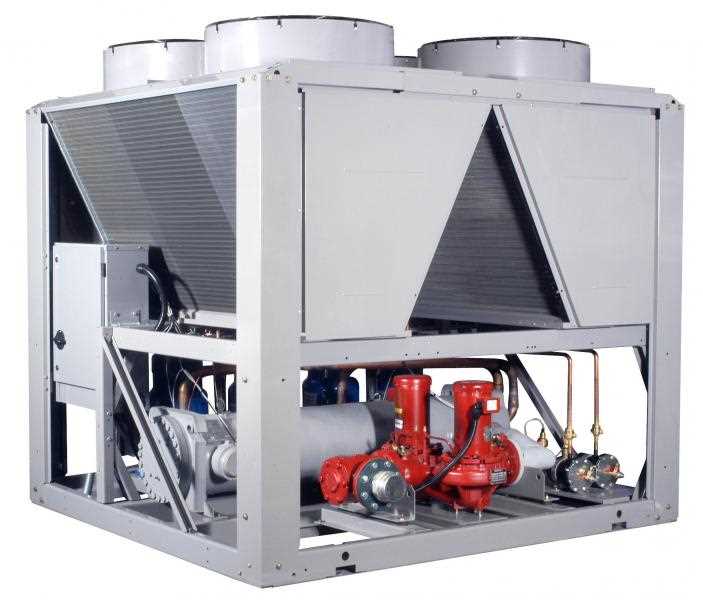
Industrial chillers are refrigeration systems that produce chilled water (typically 4–7°C) for process cooling and HVAC. They “generate cold or chilled water which is distributed … to provide air conditioning” or cool manufacturing processes. Modern chillers commonly use the vapor-compression cycle (electric compressors), and can also be vapor-absorption systems for special applications. Chillers remove heat from equipment (e.g. molding machines, lasers, extruders) and reject it to air or water.
Types of Industrial Chillers
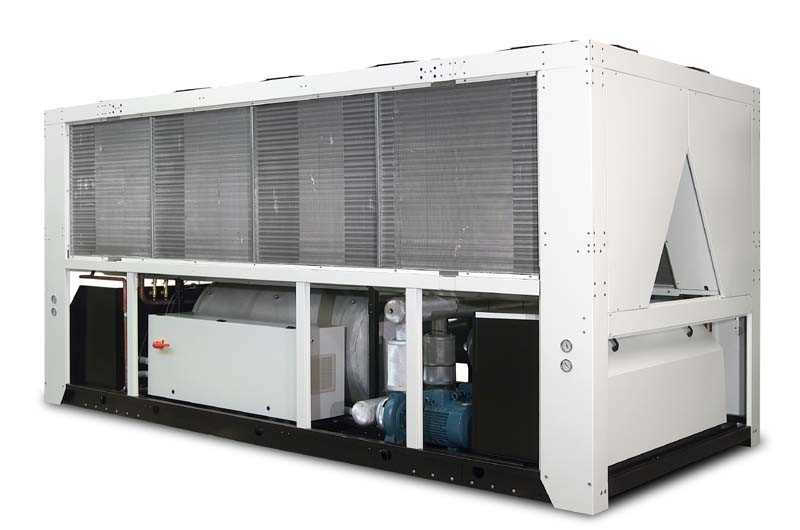
Air-Cooled Chillers: Use ambient air to dissipate heat through condenser fans. Suitable for small to medium-scale operations.
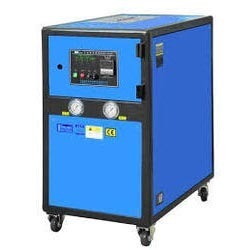
Water-Cooled Chillers: Use water in a cooling tower to condense refrigerant. Ideal for large, continuous industrial operations.
Screw Chillers: Utilize screw compressors, suitable for medium to large cooling loads.
Scroll Chillers: Employ scroll compressors, best for small to medium applications.
Centrifugal Chillers: Use centrifugal force to compress refrigerant, suitable for high-capacity, central systems.
Absorption Chillers: Use heat energy (like steam or hot water) instead of electrical energy to drive the cooling cycle.
Application in Various Industries
Used in plastics (injection molding, blow molding), food & beverage, pharmaceuticals/chemicals, metal finishing, commercial printing, laser cutting, laboratories, data centres, and large HVAC systems. In each case the chiller “draw[s] heat away from equipment” to stabilize process temperatures. For example, chillers are integral to injection molding lines and pharmaceutical process cooling.
Material Selection Considerations
Heat exchangers (evaporator/condenser) are typically stainless steel (304/316) or copper for high thermal conductivity and corrosion resistance. Steel (often coated) is used for the frame and structural components for strength. Compressor housings and piping are often cast iron or alloy steel (durable under pressure). Copper tubing and aluminium fins (for air-cooled units) balance cost vs conductivity. Components exposed to condensate or treated water (pumps, coils) use corrosion-resistant materials (stainless, plastics). In summary, components must resist thermal stress and corrosion: e.g. copper/stainless heat exchangers and robust steel structure.