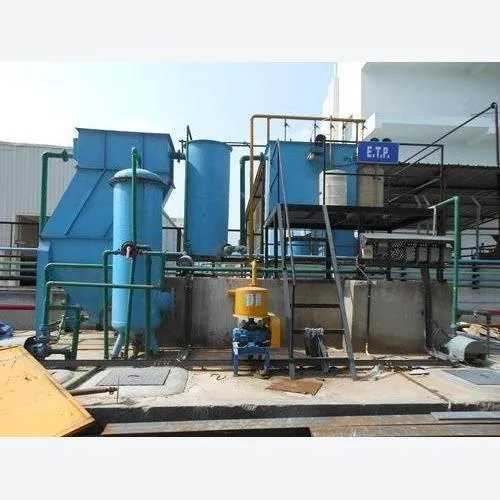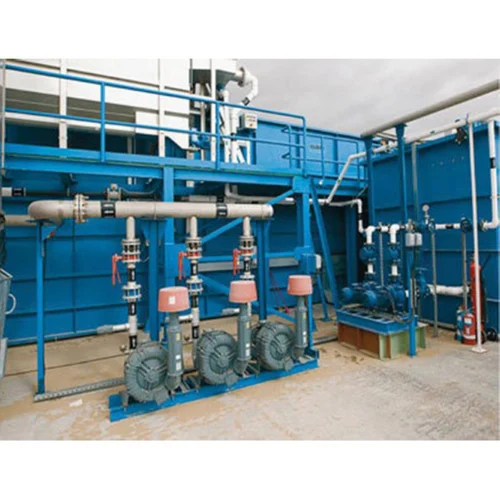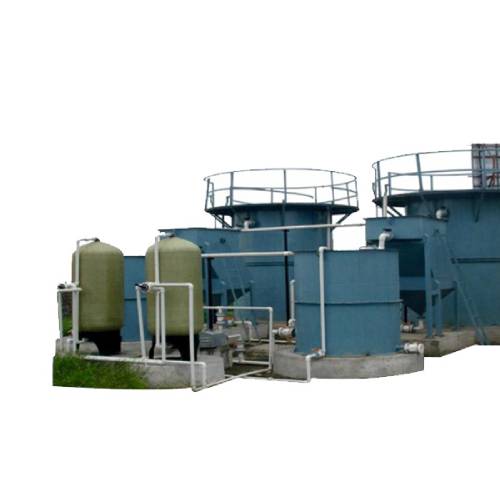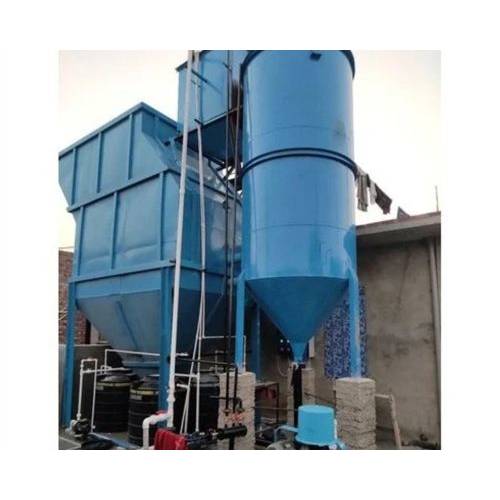
ETP Plant
Premium Listing
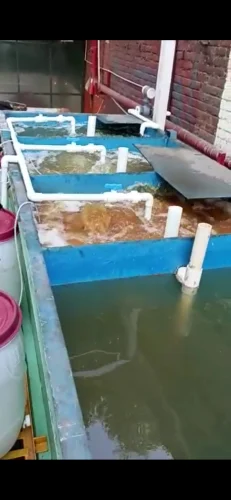
Effluent Treatment Plant Manufacturer, Supplier & Exporters

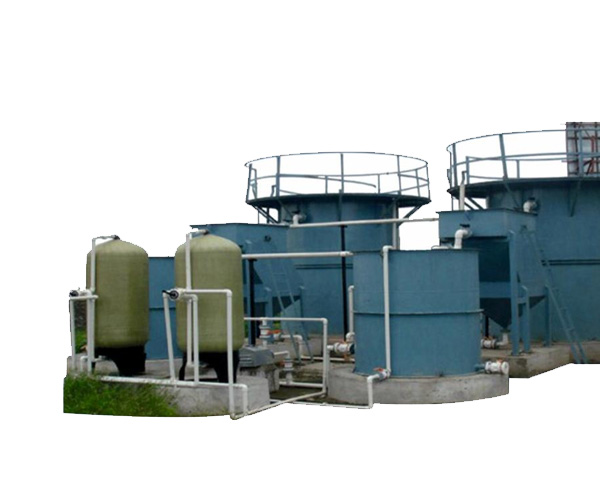
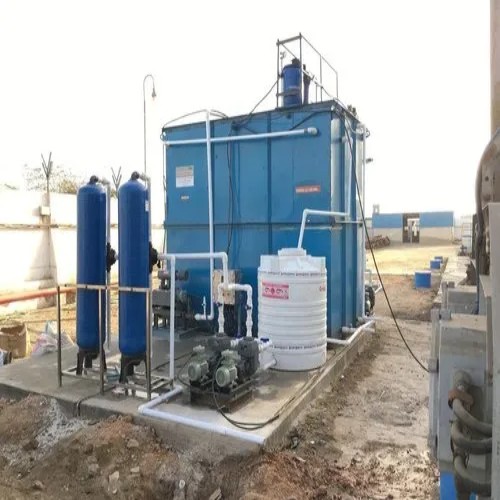
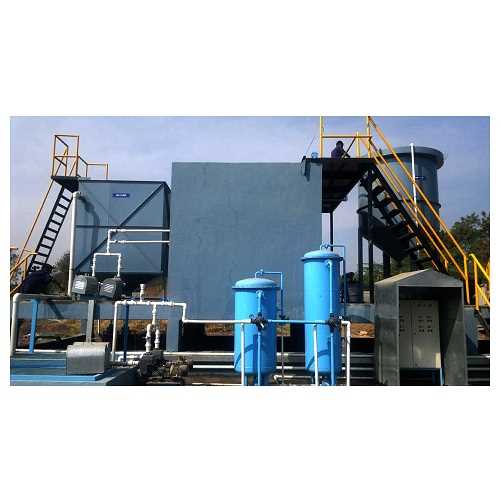
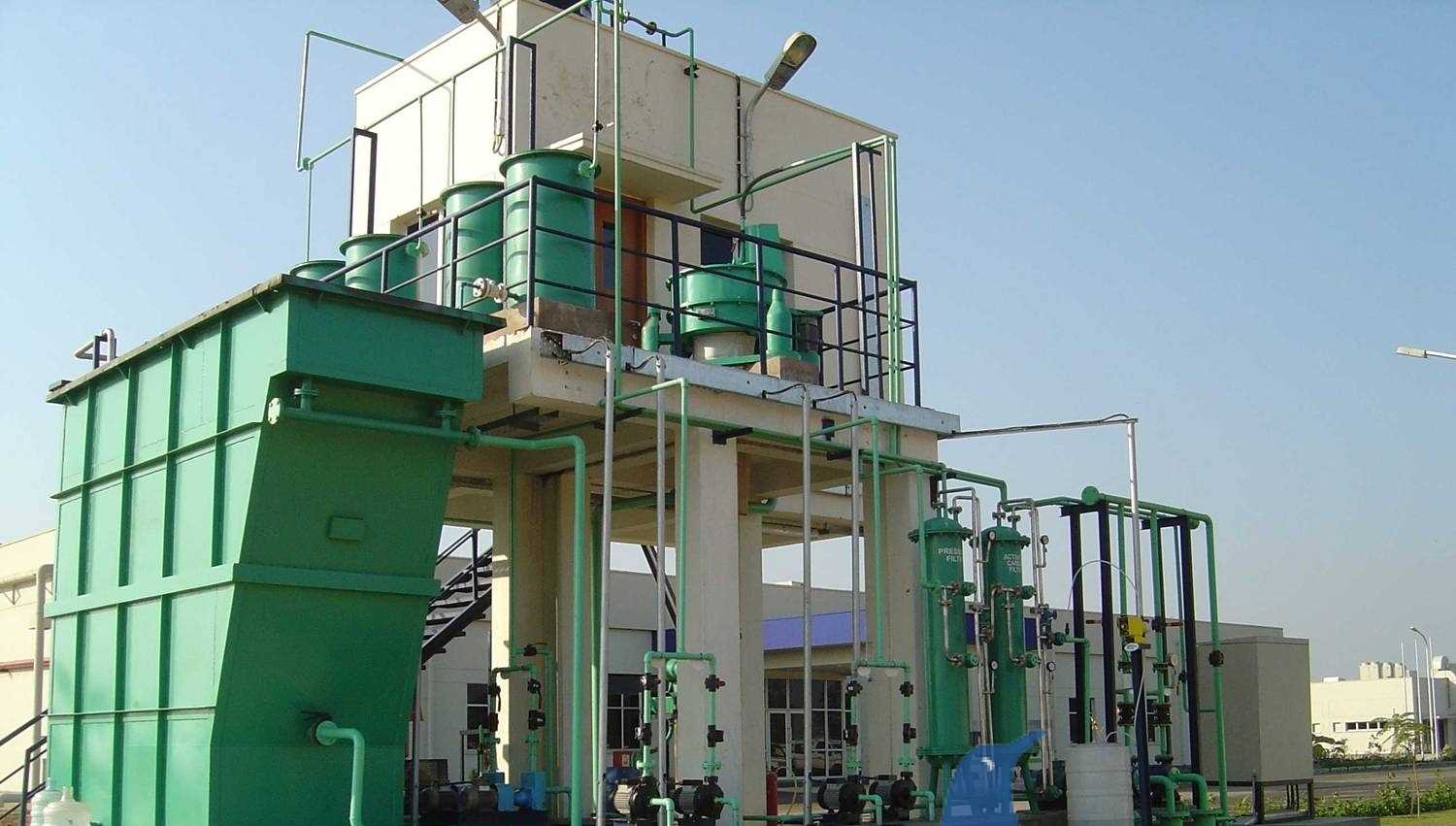
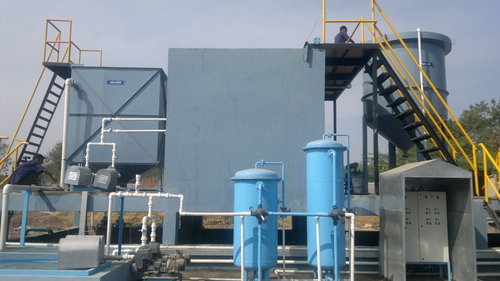
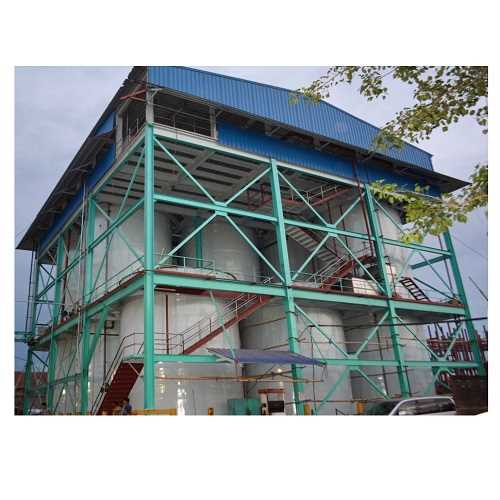
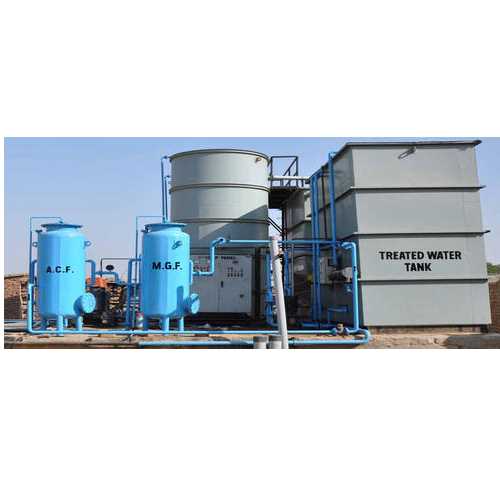
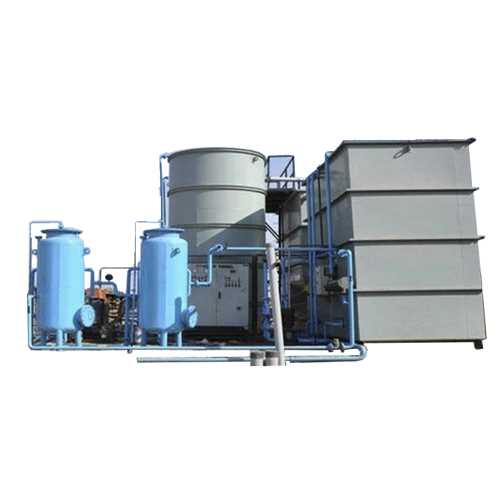
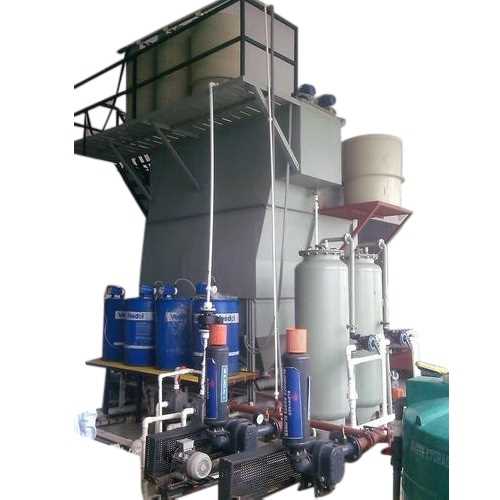
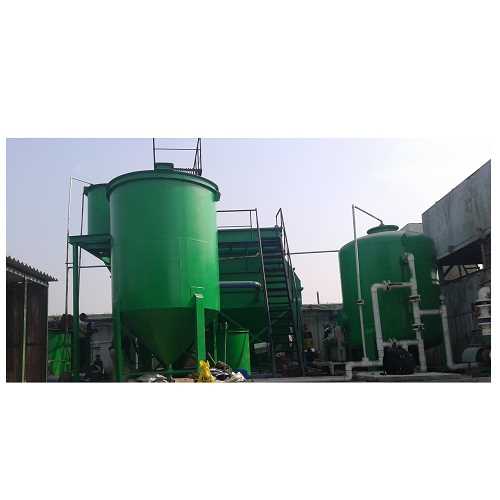
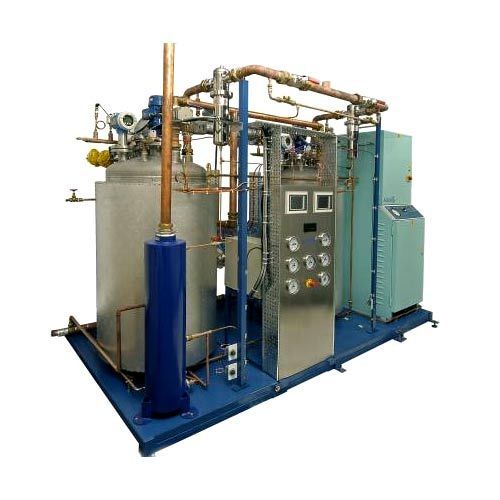
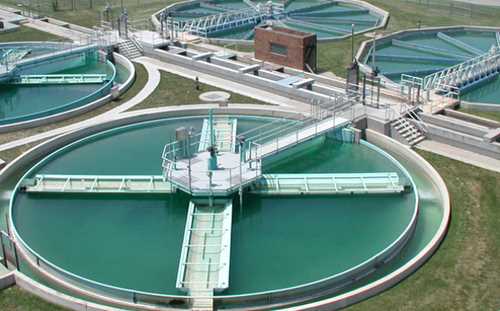
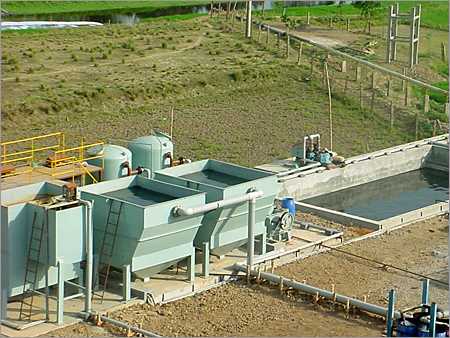
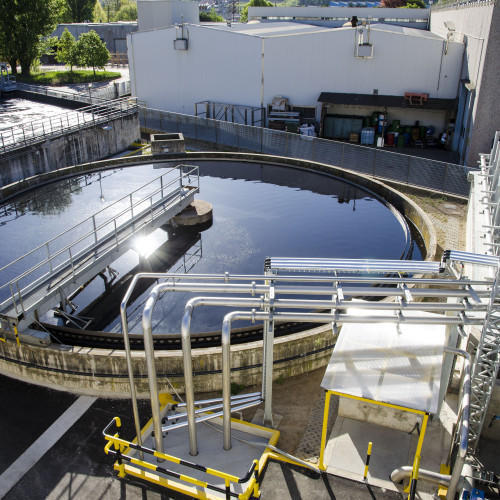
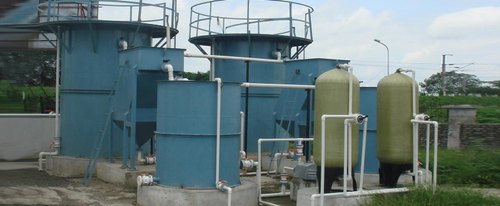
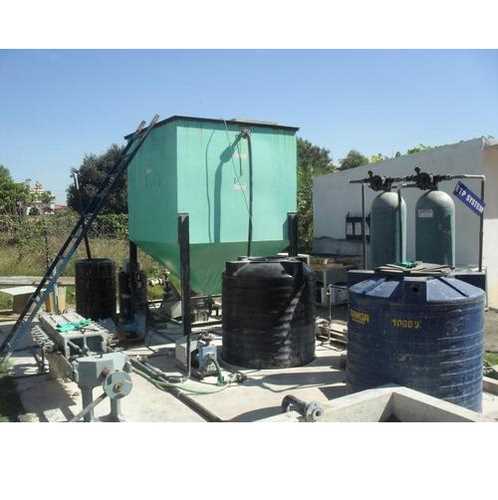
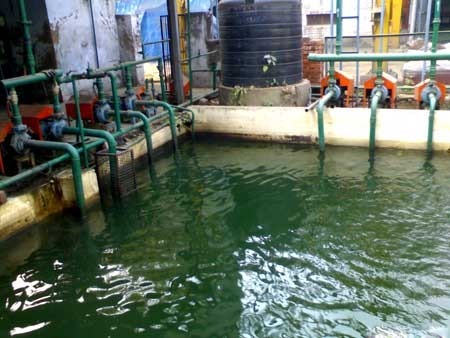
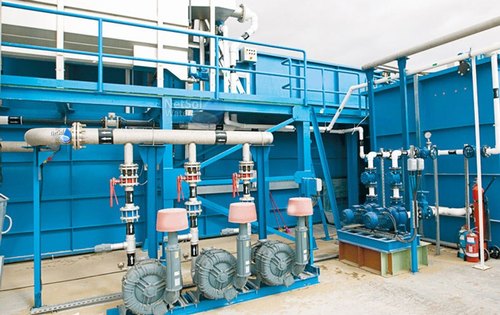
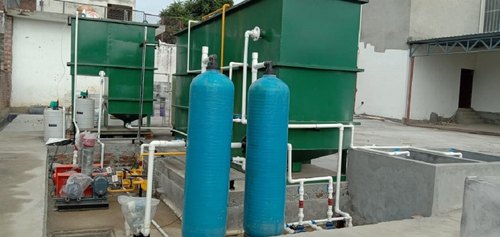
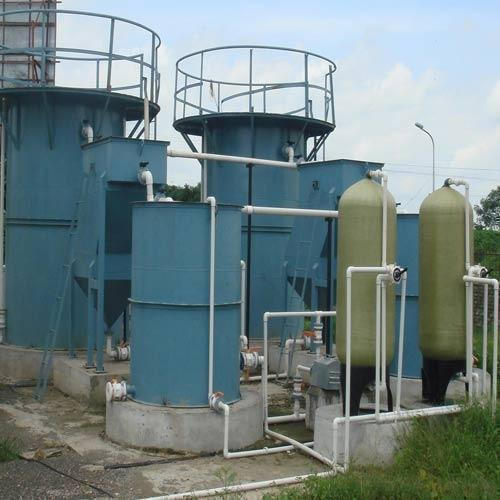
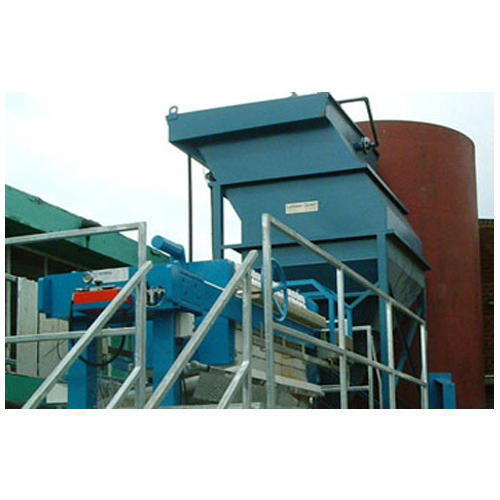
Indian Trade Bird provides a wide range of Effluent Treatment Plant (ETP) Manufacturers and Suppliers, offering high-quality treatment systems designed to meet diverse industrial wastewater management requirements. An Effluent Treatment Plant is a high-performance environmental management system engineered to treat and purify industrial wastewater before it is discharged into the environment or reused in the facility. It plays a vital role in critical processes such as pollutant removal, sludge management, chemical treatment, biological processing, water recycling, and ensuring compliance with environmental regulations. Unlike basic filtration units, ETPs are built for heavy-duty, continuous operation, ensuring reliable and efficient wastewater treatment even in the most demanding industrial conditions.

These plants operate through a series of mechanical, chemical, and biological processes that remove harmful contaminants, making treated water safe for disposal or reuse. ETPs are essential for maintaining sustainable operations, reducing water consumption, and preventing environmental pollution. These systems are extensively used in industries such as chemical processing, pharmaceuticals, textiles, food processing, oil & gas, dyeing units, paper mills, metal finishing, and manufacturing. Their robust construction, corrosion-resistant components, and high-efficiency treatment technologies ensure long service life, minimal maintenance, and excellent operational efficiency. Effluent Treatment Plants are available in different types, including primary treatment systems, secondary (biological) treatment plants, tertiary treatment systems, and zero-liquid-discharge (ZLD) units, each engineered to meet specific wastewater characteristics and industrial standards.

Whether it is for removing suspended solids, neutralizing chemicals, reducing BOD/COD levels, or ensuring regulatory compliance, ETPs provide dependable, safe, and cost-effective wastewater treatment solutions. In conclusion, an Effluent Treatment Plant is an essential component for improving process efficiency, ensuring workplace safety, protecting water resources, and maintaining sustainable industrial operations across a wide range of sectors.

What is an Effluent Treatment Plant (ETP)?

An Effluent Treatment Plant (ETP)is a facility designed to treat wastewater and remove pollutants, chemicals, and harmful contaminants produced during industrial processes. The main goal of an ETP is to ensure that the water released back into the environment meets the required pollution control norms set by the Central Pollution Control Board (CPCB)and other regulatory authorities.

Industrial effluents can contain toxic chemicals, oils, heavy metals, dyes, and organic matter. Without treatment, these pollutants can harm ecosystems, contaminate groundwater, and endanger human health. ETP Plants are essential for industries to maintain sustainability, comply with environmental regulations, and reduce operational costs through water reuse.

Working Principle of an Effluent Treatment Plant

The working of an Effluent Treatment Plant involves several key stages that ensure the complete purification of industrial wastewater. Each stage plays a critical role in achieving desired water quality standards.

  • Preliminary Treatment: This step removes large solids, grit, and debris from the wastewater using screening, sedimentation, and filtration processes.
  • Primary Treatment: In this stage, physical and chemical methods like coagulation and flocculation are applied to remove suspended solids and reduce biological oxygen demand (BOD).
  • Secondary Treatment: Biological treatment processes like the Activated Sludge Process (ASP), Moving Bed Biofilm Reactor (MBBR), or Membrane Bioreactor (MBR) are used to degrade organic matter and eliminate harmful microorganisms.
  • Tertiary Treatment: The final stage includes advanced filtration, disinfection (UV or chlorination), and activated carbon adsorption to remove residual impurities, color, and odor.
    The result is clean, safe water that can be reused or discharged without harming the environment.

Types of Effluent Treatment Plants

Different industries require customized ETP systems depending on the type of effluent and contamination level. Common types include:

  • Chemical ETP Plants: Ideal for chemical and pharmaceutical industries with high pollutant loads.
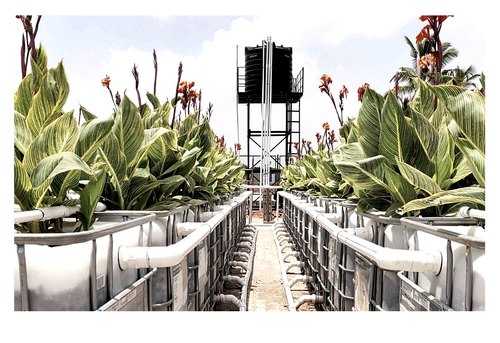
  • Biological ETP Plants: Use microbial processes to treat organic-rich wastewater.
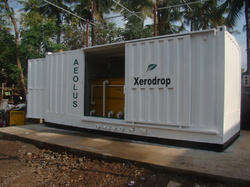
  • Modular or Compact ETP Plants: Space-saving and ideal for small to medium-scale industries.
  • Zero Liquid Discharge (ZLD) Systems: Recycle all wastewater to eliminate liquid waste discharge.

Applications of Effluent Treatment Plants

Effluent Treatment Plants are used across multiple industrial sectors, including:

  • Textile & Dyeing Industry: Removes color, dyes, and organic waste.
  • Chemical & Pharmaceutical Industry: Treats toxic chemicals, acids, and solvents.
  • Food & Beverage Industry: Manages organic waste and oils.
  • Metal Finishing & Electroplating Units: Removes heavy metals and suspended solids.
  • Paper & Pulp Industry: Reduces chemical oxygen demand (COD) and solids.
  • Automobile & Engineering Industries: Treats oily effluent and metal residues.

The versatility and adaptability of ETPs make them indispensable for maintaining environmental safety in industrial zones across India.

We Design Effluent Treatment Plants That Find Application In

Indian Trade Bird connects you with manufacturers who design ETPs for diverse industries, including:

  • Textile and dyeing units
  • Chemical and pharmaceutical plants
  • Food and beverage processing
  • Paper and pulp industries
  • Oil refineries and petrochemical plants
  • Metal finishing and electroplating industries

Benefits of Effluent Treatment Plants

Installing an Effluent Treatment Plant offers numerous benefits that extend beyond compliance. These include:

  • Environmental Protection: Prevents pollution of soil and water bodies by removing harmful contaminants.
  • Water Reuse and Recycling: Treated water can be reused in processes like cooling, washing, and irrigation, saving significant costs.
  • Regulatory Compliance: Helps industries adhere to pollution control norms and avoid penalties.
  • Improved Brand Image: Demonstrates commitment to sustainability and corporate responsibility.
  • Operational Efficiency: Reduces raw water consumption and wastewater disposal expenses.
  • Long-Term Sustainability: Supports eco-friendly industrial operations and contributes to circular economy goals.

By adopting efficient ETP solutions, industries can strike a balance between production efficiency and environmental stewardship.

With environmental regulations becoming stricter and sustainability taking center stage, Effluent Treatment Plants have become essential for every responsible industry. These plants not only protect natural ecosystems but also promote water conservation and resource optimization. Explore a wide range of Effluent Treatment Plants, ETP Manufacturers, and Wastewater Treatment System Suppliers On Indian Trade Bird. Find high-quality, efficient, and customized treatment solutions that meet your industrial and environmental needs — because clean water and a clean future start with responsible treatment today.

Discover the best deals on the Top 10 Effluent Treatment Plant at Indian Trade Birds, your trusted destination for high-quality industrial solutions. As a leading manufacturer, supplier, exporter, and retailer, we specialize in Interlocking ETP Plant, Effluent Treatment Plants (ETP)), HEXON ETP, Industrial ETP, 10 KLD ETP, Common ETP, Pharmaceuticals Effluent Treatment Plants, Effluent Water Treatment Plants, Packaged ETPs, and Prefabricated Packaged ETPs. Our advanced machines are designed for low maintenance, high efficiency, and durability, helping businesses reduce operational costs while boosting profit margins. With our reliable and cost-effective solutions, you can ensure optimum performance and maximum return on investment for your industrial needs.


Popular searches

Effluent Treatment Plant | Effluent Treatment Plant Manufacturer | Effluent Treatment Plant Supplier | Effluent Treatment Plant Price | Effluent Treatment Plant Diagram | Effluent Treatment Plant Near Me | Top Effluent Treatment Plant | Best Effluent Treatment Plant | No.1 Effluent Treatment Plant | Top 10 Effluent Treatment Plant Manufacturers | Buy Effluent Treatment Plant | Buy Online Effluent Treatment Plant


FAQ's

How often does an ETP need maintenance?
ETPs require regular checks of pumps, filters, aerators, and control systems. Preventive maintenance ensures smooth operation and compliance.

What are the main stages of an ETP?

  • Preliminary Treatment (screening, grit removal)
  • Primary Treatment (settling of solids)
  • Secondary Treatment (biological treatment like activated sludge)
  • Tertiary Treatment (filtration, disinfection, polishing)
  • Sludge Treatment & Disposal

Why is an ETP important for industries?
ETPs help industries comply with environmental norms by treating wastewater and reducing pollution. They ensure safe disposal or recycling of water and prevent damage to the environment and public health.

What are the methods of effluent treatment?
Effluent treatment is essential for protecting the environment and public health. The combination of physical, biological, and chemical methods ensures that wastewater is treated efficiently before it is discharged or reused.

What is an Effluent Treatment Plant (ETP)?
An Effluent Treatment Plant is a wastewater treatment system designed to treat industrial effluents and remove harmful pollutants, chemicals, and contaminants before the water is discharged or reused.

How do ETP Plants work?

As a result, an ETP is designed to extract the physical, chemical, and biological materials contained in effluent. An ETP is divided into four levels depending on the degree of treatment required for the wastewater. Each level is designed to extract a specific form of substance from the effluent.

What is the use of effluent treatment plants?

Effluent treatment plants (ETPs) are used to remove high levels of organic compounds, debris, soil, sand, pollution, harmful and non-toxic materials and polymers, and other contaminants from industrial effluent.

What is the difference between ETP and STP?

An ETP device extracts toxic and non-toxic materials from water, allowing it to be used for a variety of purposes. A sewage treatment plant (STP) extracts pollutants from urban or household sewage. ETP is used in industrial settings, while STP is used to purify domestic water.

What is Meant By Effluent Treatment Plant?

Effluent Treatment Plant is a designed system to clean industrial effluents, contaminated water from the sources, to make it reusable for an additional purpose. This type of treatment plant helps to ensure that the contaminated & polluted water from industries gets treated making it reusable before being released back to nature.

Scroll to Top