
HOTLINE: +91 851-114-2701
6 listings from verified sellers across India
Chemical Coating
Chemical coatings are thin layers of material applied to the surface of a substrate to impart specific functional and/or aesthetic properties. These properties can include protection against corrosion, wear, and abrasion, enhanced hardness, improved aesthetics (color, gloss), electrical insulation, thermal resistance, friction modification, or even self-cleaning capabilities. Coatings are essential in extending the lifespan of products, improving performance, and enabling new applications across virtually all industries.
Types of Chemical Coating
Based on Composition:
Polymer/Organic Coatings:
Epoxy Coatings: Excellent adhesion, chemical resistance, hardness, widely used for floors, industrial equipment, protective primers.
Polyurethane Coatings: Good abrasion resistance, flexibility, UV resistance, often used as topcoats for durable finishes (automotive, aerospace, wood).
Acrylic Coatings: Good UV resistance, color retention, weatherability, used for architectural, automotive, and clear coats.
Alkyd Coatings: Traditional, oil-based, good gloss, but slower drying (decorative, industrial maintenance).
Fluoropolymer Coatings (e.g., PTFE, PVDF): Excellent non-stick, chemical resistance, low friction, high temperature resistance (cookware, industrial equipment, architectural facades).
Inorganic Coatings:
Ceramic Coatings: High hardness, extreme temperature resistance, wear resistance, chemical inertness (engine components, cutting tools, medical implants).
Metallic Coatings: Provide corrosion protection (e.g., galvanizing-zinc, chroming), conductivity, or aesthetics (electroplating, thermal spray).
Silicate Coatings: For corrosion protection, fire resistance.
Based on Curing Mechanism:
Solvent-borne Coatings: Contains organic solvents that evaporate during drying.
Water-borne Coatings: Uses water as the primary solvent, lower VOC.
Powder Coatings: Dry powder applied electrostatically, then cured with heat. No VOCs.
UV-Curable Coatings: Cured rapidly by UV light, high efficiency, low VOC.
Two-Part (2K) Coatings: Components react chemically upon mixing (e.g., epoxy, polyurethane).
Heat-Cured Coatings: Require elevated temperatures to polymerize or cross-link.
Based on Application:
Protective Coatings: Corrosion, abrasion, chemical resistance.
Decorative Coatings: Color, gloss, texture.
Functional Coatings: Anti-fouling, conductive, insulating, low friction, anti-microbial, self-cleaning.
Applications in Various Industries
Automotive Industry:
Applications: Body corrosion protection (e-coating), topcoats for aesthetics and scratch resistance, internal engine coatings, brake caliper coatings.
Technology: Multi-layer coating systems, robotic application, powder coating, electrocoating, nanotechnology for improved scratch and UV resistance, self-healing clear coats.
Aerospace Industry:
Applications: Corrosion protection, thermal barrier coatings (TBCs) for turbine blades, erosion resistance, low friction coatings, stealth coatings.
Technology: Thermal spray processes (plasma spray, HVOF), vapor deposition (PVD, CVD), specialized fluoropolymer and ceramic coatings, smart coatings for defect detection.
Marine Industry:
Applications: Anti-corrosion for ship hulls and structures, anti-fouling coatings to prevent marine growth, deck coatings.
Technology: High-solids and solvent-free coatings, foul-release coatings (silicone-based), zinc-rich primers, intelligent coatings that release biocides slowly.
Construction & Architecture:
Applications: Protective coatings for steel structures, concrete coatings, architectural finishes, facade coatings (self-cleaning, thermal insulation).
Technology: High-performance architectural paints, fire-retardant coatings, anti-graffiti coatings, breathable coatings for moisture management.
Consumer Goods:
Applications: Non-stick cookware, appliance finishes, furniture coatings, electronic device housings.
Technology: PVD coatings for aesthetics, powder coating for durability, ceramic non-stick coatings, hydrophobic coatings.
Industrial Machinery & Equipment:
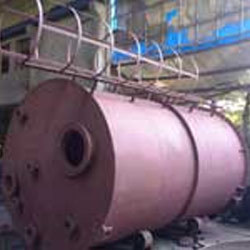
Applications: Corrosion and wear protection for pumps, valves, pipes, tanks, machine tools.
Technology: High-build epoxies, polyurethanes, abrasion-resistant coatings, chemical-resistant linings.
Electronics:
Applications: Conformal coatings for circuit boards (moisture and dust protection), conductive coatings, insulating coatings.
Technology: UV-curable conformal coatings, thin-film deposition techniques, conductive polymers.
Material Selection Considerations