
HOTLINE: +91 851-114-2701
23 listings from verified sellers across India
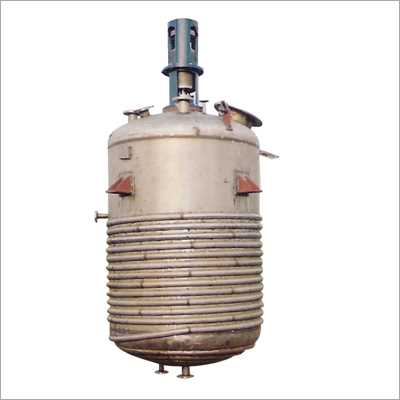
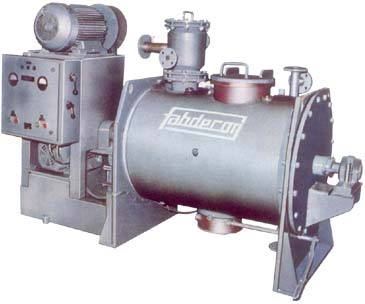
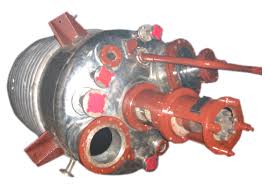


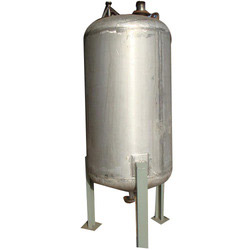
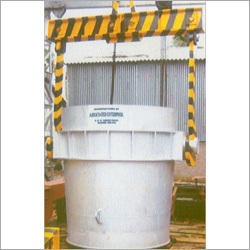

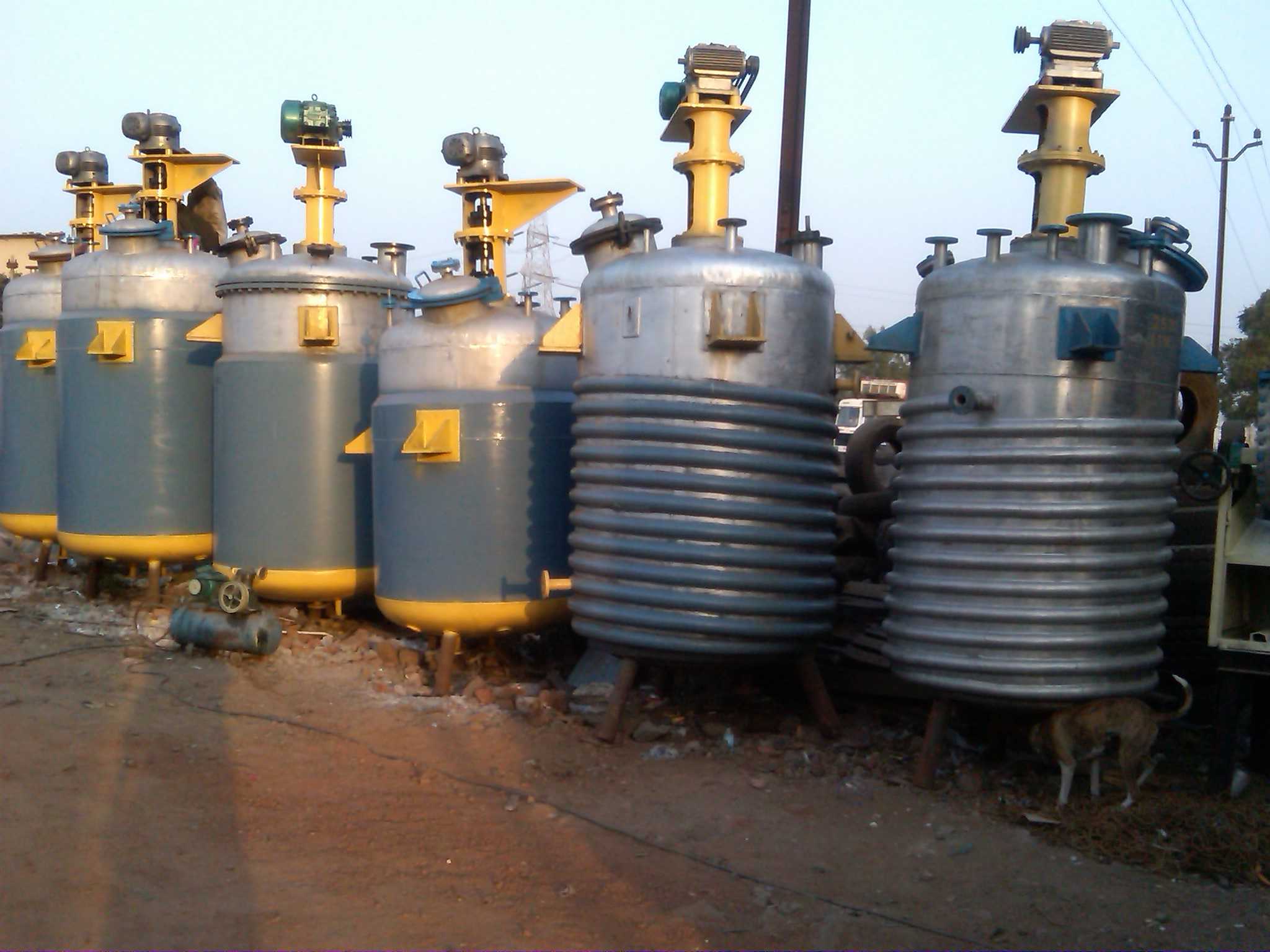
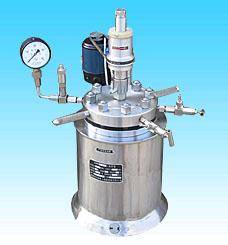
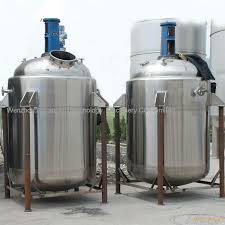
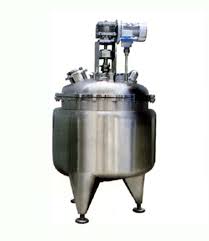
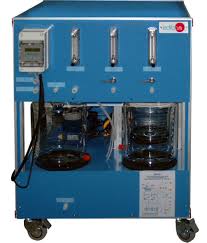
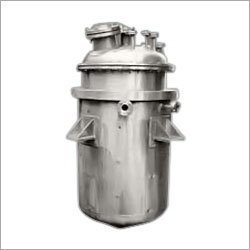

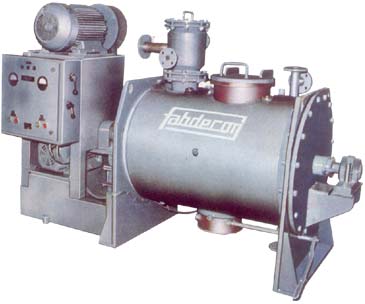

Chemical Processing Equipment
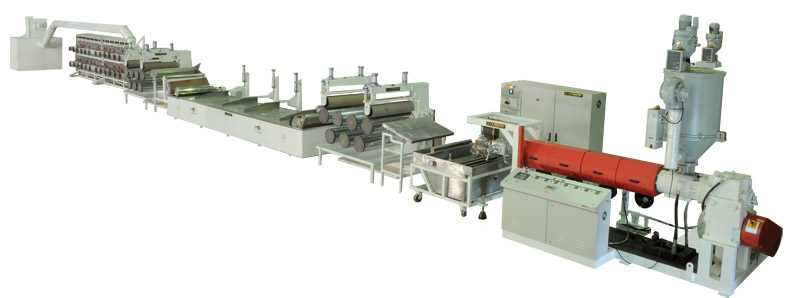
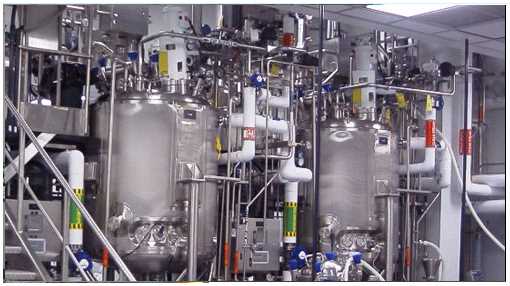
Chemical processing equipment refers to the specialized machinery and devices used in industrial chemistry and large-scale chemical manufacturing to transform raw materials into finished chemical products. This equipment facilitates various physical and chemical alterations, including mixing, reacting, separating, heating, cooling, and storing substances. The design and material selection of chemical processing equipment are critical due to the often hazardous, corrosive, and high-temperature/pressure nature of the chemicals involved, ensuring safety, efficiency, and product purity.
Types of Chemical Processing Equipment
Reactors/Vessels:
Batch Reactors: For discontinuous operations.
Continuous Stirred-Tank Reactors (CSTRs): For continuous mixing and reaction.
Plug Flow Reactors (PFRs): For continuous reactions with minimal back-mixing.
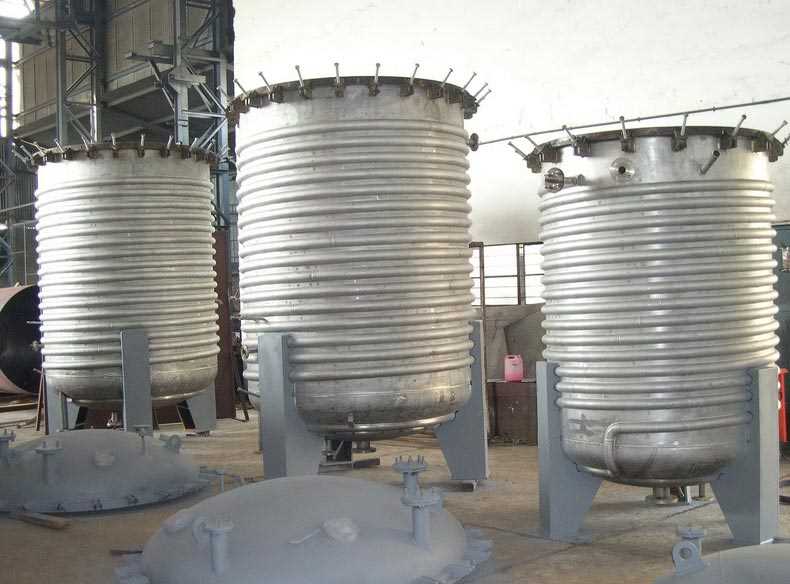
Jacketed Reactors: With outer jackets for heating/cooling.
Pressure Vessels: Designed to hold gases or liquids at high pressures (e.g., storage tanks, columns).
Mixers/Agitators:
Stirred Tanks: With impellers (propeller, turbine, anchor) for liquid-liquid, liquid-solid mixing.
Ribbon Blenders: For powders and viscous pastes.
High Shear Mixers: For creating fine emulsions or dispersions.
Separation Equipment:
Distillation Columns: For separating liquid mixtures based on boiling points.
Centrifuges: For separating solids from liquids or liquids of different densities.
Filters: (e.g., plate and frame, bag filters, membrane filters) For separating solids from liquids.
Evaporators: For concentrating solutions by boiling off solvents.
Dryers: (e.g., spray dryers, fluid bed dryers, vacuum dryers) For removing moisture from solids.
Heat Transfer Equipment:
Heat Exchangers: (e.g., shell and tube, plate, double pipe) For transferring heat between fluids.
Condensers: For condensing vapors into liquids.
Boilers: For generating steam.
Storage & Handling Equipment:
Tanks & Silos: For raw materials, intermediates, and finished products (vertical, horizontal, atmospheric, pressurized).
Pumps: (e.g., centrifugal, positive displacement, diaphragm) For moving liquids.
Valves: (e.g., ball, globe, gate, butterfly) For controlling fluid flow.
Conveyors: For transporting solids.
Applications in Various Industries:
Basic Chemicals: Production of acids, alkalis, salts, petrochemicals, and bulk organic chemicals.
Specialty Chemicals: Adhesives, coatings, pigments, polymers, catalysts, fragrances, water treatment chemicals.
Pharmaceuticals: Synthesis of APIs, formulation of drugs, purification processes.
Food & Beverage: Processing ingredients (e.g., fermentation, extraction, crystallization), cleaning solutions.
Oil & Gas Refining: Separation, cracking, purification processes.
Pulp & Paper: Chemical pulping, bleaching.
Mining & Metallurgy: Chemical extraction, refining metals.
Water & Wastewater Treatment: Chemical dosing, filtration, disinfection.
Technology:
Process Control Systems (DCS, SCADA, PLC): Automated monitoring and control of complex chemical processes for safety and efficiency.
Advanced Materials: Use of exotic alloys, composites, and linings to withstand extreme corrosive or high-temperature environments.
Computational Fluid Dynamics (CFD) & Process Simulation: For optimizing reactor design, mixing efficiency, and heat transfer.
Membrane Technology: For highly efficient separations (e.g., reverse osmosis, nanofiltration).
Green Chemistry Principles: Designing equipment for more sustainable processes, minimizing waste, and maximizing energy efficiency.
Safety Instrumented Systems (SIS): For critical safety interlocks and emergency shutdown systems.
Corrosion Monitoring: In-situ sensors for monitoring corrosion rates in real-time.
Modular Design: Prefabricated modular skids for faster installation and flexibility.
Material Selection Considerations:
Common Materials:
Non-Metallic Materials: