HOTLINE: +91 851-114-2701
17 listings from verified sellers across India
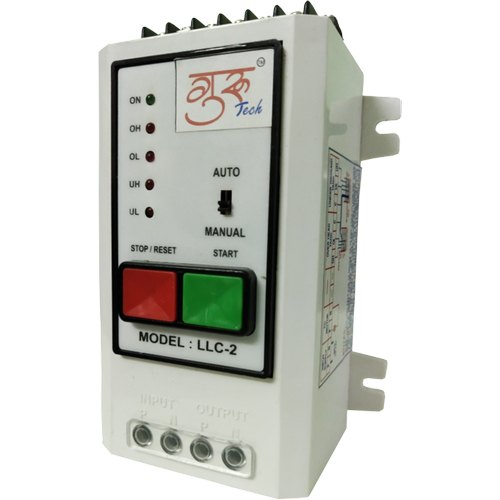
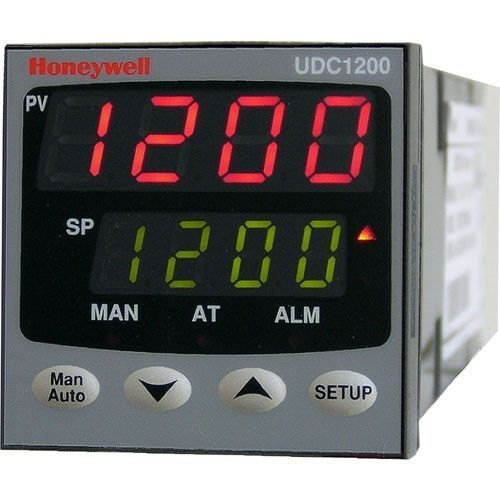
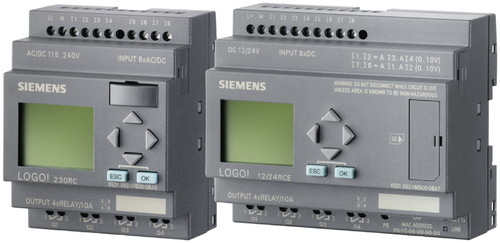
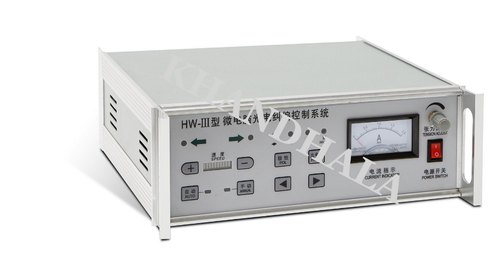
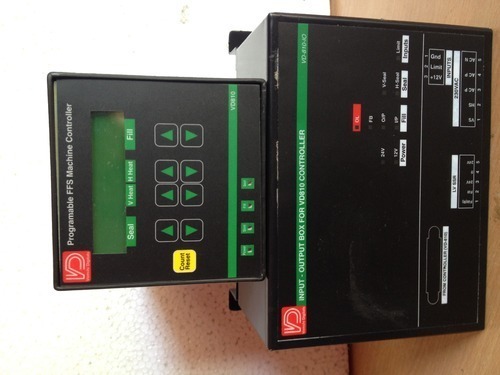
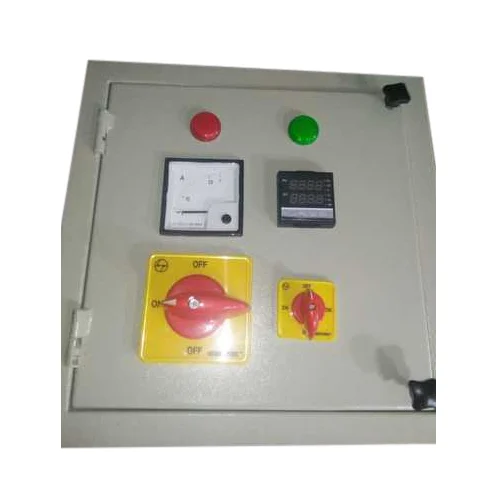
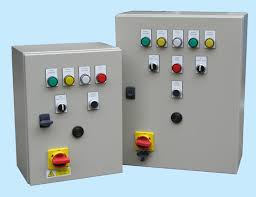
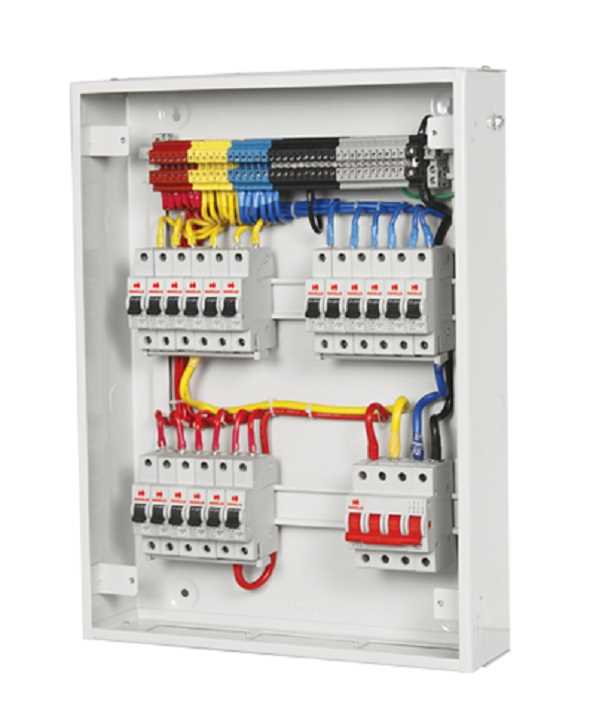
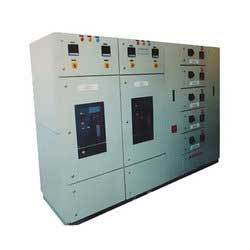
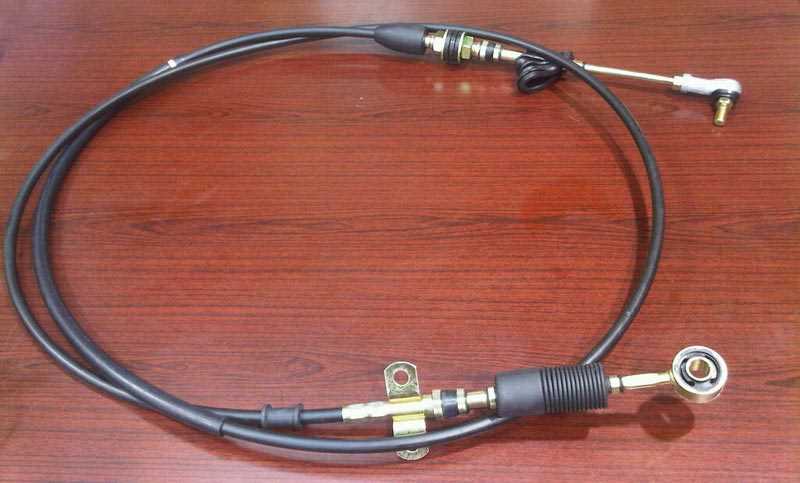
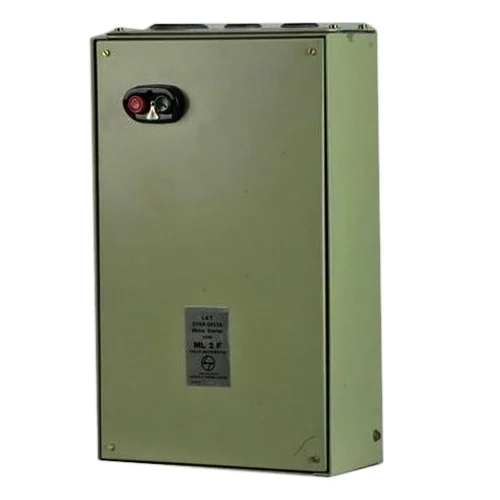
Control Panel Accessories
Control panel accessories are a wide range of components and devices used to build, customize, protect, and enhance the functionality of electrical and electronic control panels. These panels are enclosures that house electrical components, circuit breakers, control devices, and wiring, managing and distributing power, controlling machinery, and monitoring processes. Accessories ensure safety, organization, easy operation, and environmental protection of the panel's contents.
Types of Control Panel Accessories
Cable Glands & Connectors: Provide secure, sealed entry points for cables into the panel, offering strain relief and environmental protection (IP rating).
Terminal Blocks: Devices for connecting individual wires within the panel, providing organized and secure electrical connections. Various types (screw, spring clamp, push-in).
Wire Ducts/Cable Trays: Plastic or metal channels used for neatly organizing and routing wires within the panel, improving airflow and troubleshooting.
DIN Rails: Standardized metal rails used for mounting modular components like terminal blocks, relays, and circuit breakers.
Panel Lights (Indicators): LED or incandescent lights that indicate system status (e.g., power on, fault, operation mode).
Push Buttons & Selector Switches: Human-machine interface components for operator control, starting/stopping machines, changing modes.
Emergency Stop Buttons: Critical safety devices that immediately shut down machinery in an emergency.
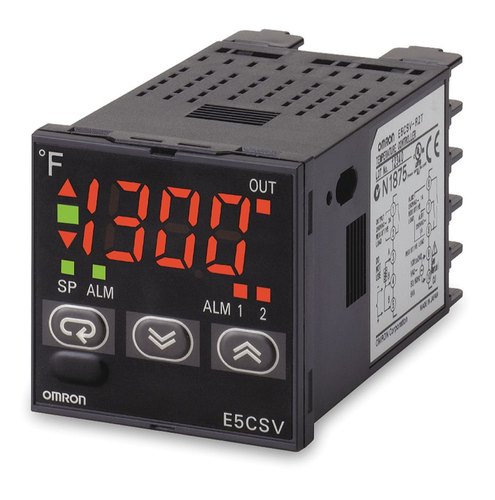
Meters & Gauges: Analog or digital displays for monitoring electrical parameters (voltage, current, frequency), temperature, or pressure within the panel or process.
Heaters: Used in cold or humid environments to prevent condensation inside the panel, protecting electronics.
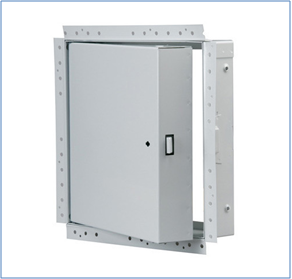
Locking Mechanisms & Handles: For panel doors, ensuring security and accessibility.
Enclosure Gaskets: Provide environmental sealing (dust, water, electromagnetic interference).
Busbars: Solid metallic strips used for efficient power distribution within the panel.
Labels & Engraved Tags: For clear identification of components, wiring, and functions.
Applications in Various Industries:
Industrial Automation: Control panels for manufacturing lines, robotics, process control (SCADA systems).
Building Automation: HVAC control, lighting systems, security systems.
Power Distribution: Switchgear, motor control centers.
Telecommunications: Network equipment cabinets.
Marine & Offshore: Control systems for vessels and platforms.
Water Treatment: Pump control, valve automation.
Renewable Energy: Solar inverter cabinets, wind turbine controls.
Technology:
Modular Design: Many accessories are designed to be modular (e.g., DIN rail mountable) for flexible and scalable panel configurations.
IP Ratings (Ingress Protection): Accessories are rated for resistance to dust and water ingress (e.g., IP65, IP67) depending on the environment.
NEMA Ratings: (North American standard) Similar to IP ratings, for environmental protection.
EMC Shielding: Gaskets and materials designed to reduce electromagnetic interference.
Touchscreen HMIs: Replacing traditional buttons and meters for integrated control and display.
IoT Connectivity: Some accessories (e.g., smart relays, circuit breakers) integrate with network systems for remote monitoring and diagnostics.
Thermal Management Software: Used to calculate heat dissipation and select appropriate cooling solutions for panels.
Vibration Resistance: Components designed to withstand vibrations in industrial environments.
Material Selection Considerations:
Enclosure Materials: