HOTLINE: +91 851-114-2701
5 listings from verified sellers across India
.jpg)

Copper Wires
Copper wires are fundamental electrical conductors, distinguished by their exceptional electrical conductivity, thermal conductivity, ductility, and corrosion resistance. They are widely used across almost all electrical and electronic applications, forming the backbone of power transmission, communication, and electronic devices.
Types of Copper Wires
Solid Copper Wire: A single, solid strand of copper. Offers high rigidity and conductivity, ideal for fixed installations like household wiring or power distribution in buildings where bending is minimal.
Stranded Copper Wire: Composed of multiple thinner copper strands twisted together. Provides superior flexibility and fatigue resistance, making it suitable for applications requiring movement or frequent bending, such as appliance cords, extension cords, and internal wiring of electronic devices.
Bare Copper Wire: Uninsulated copper wire, used for grounding, bonding, and some specialized electrical applications where insulation is not required or is provided by other means.
Insulated Copper Wire: Copper wire covered with a protective layer of insulating material to prevent short circuits, protect against electrical shock, and provide environmental resistance. Insulation types vary (PVC, PE, XLPE, Rubber, Silicone, etc.) based on voltage, temperature, and environmental conditions.
Enameled/Magnet Wire: Very thin copper wire coated with a thin layer of enamel insulation. Used primarily in electromagnetic applications like motor windings, transformers, and inductors where high turns and compact size are crucial.
Copper Alloys: Copper combined with other elements (e.g., tin, silver, cadmium, beryllium) to enhance specific properties like strength, heat resistance, or fatigue resistance for specialized applications (e.g., springs, connectors).
Copper-Clad Aluminum (CCA) Wire: A bimetallic wire with an aluminum core and an outer layer of copper. Offers a lower cost and lighter weight alternative to pure copper, often used in less demanding electrical applications like telecommunications, where some conductivity compromise is acceptable.
Applications in Various Industries:
Power Transmission & Distribution: High-voltage transmission lines, power cables, distribution grids, building wiring, and industrial power circuits.
Electronics & Telecommunications: Circuit boards, connectors, data cables (Ethernet), telephone lines, signal transmission in consumer electronics.
Automotive: Wiring harnesses, battery cables, motor windings, sensors.
Appliances: Internal wiring of refrigerators, washing machines, ovens, and other household appliances.
Motors & Transformers: Windings for electric motors, generators, and power transformers.
Construction: Grounding electrodes, electrical conduits, and general building wiring.
Technology:
Annealing: Heat treatment processes to soften copper and improve its ductility for drawing into fine wires.
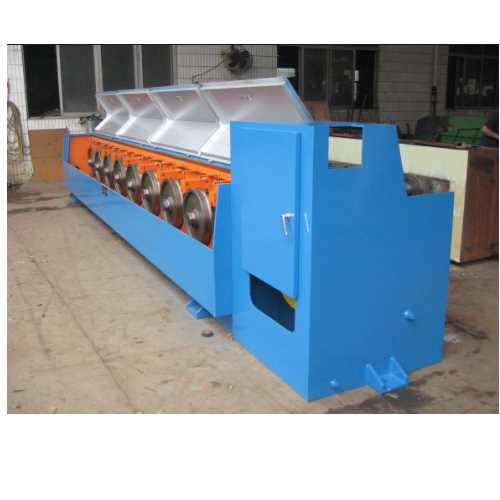
Wire Drawing: Mechanical process to reduce the diameter of copper rods into wires of various gauges.
Insulation Extrusion: Applying various polymers (PVC, XLPE, PE) as insulation layers through extrusion.
Continuous Transposed Conductors (CTC): For large transformers, bundles of insulated copper strands are transposed to minimize eddy current losses.
Fiber Optic Hybrid Cables: Combining copper wires for power transmission with fiber optic strands for data.
High-Temperature Insulation: Using materials like polyimide (Kapton) or fiberglass for wires in high-temperature environments.
Material Selection Considerations: