HOTLINE: +91 851-114-2701
8 listings from verified sellers across India
Creasing Machine
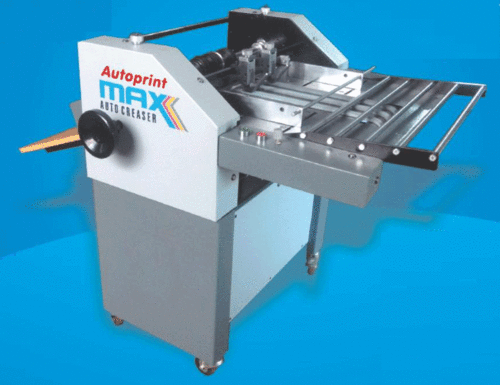
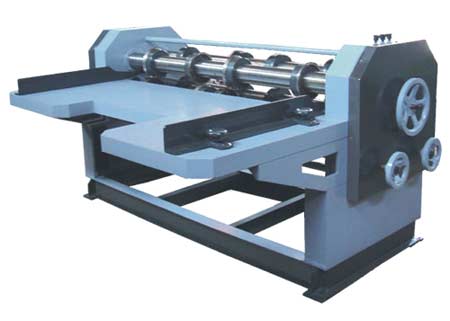
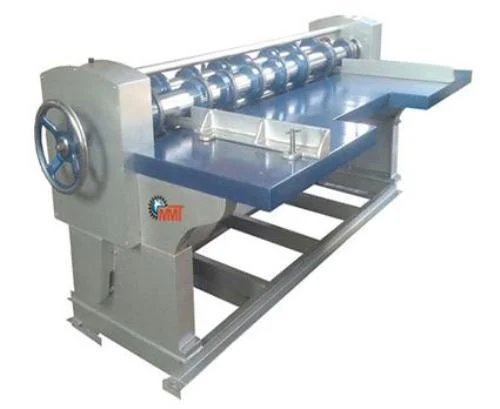
A creasing machine is used in printing and packaging to create score lines (creases) and perforations in paper and card stock for folding. It speeds up the folding process by compressing a pre-defined fold line, preventing cracking and ensuring a sharp fold. In operation, paper is fed between two opposing surfaces (rollers or plates) which apply pressure along the crease. The process is adjustable for different paper weights and thicknesses. Creasers may be standalone machines or attachments on folder/gluer lines.
Types of creasing machine
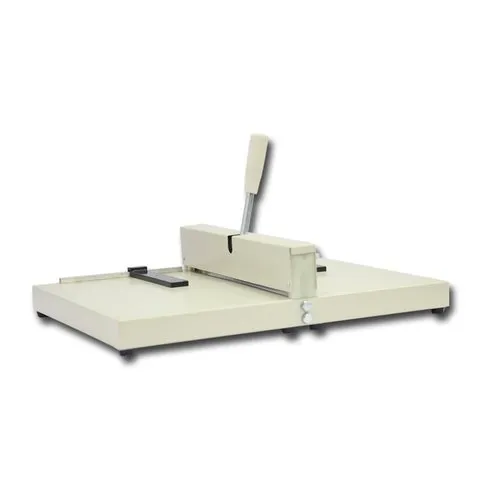
Manual Creasing Machines: Operated by hand; ideal for low-volume jobs.
Semi-Automatic Creasing Machines: Require some manual input, often foot-pedal based.
Automatic Creasing Machines: Fully automated; used in high-speed packaging and printing.
Rotary Creasing Machines: Use rotating dies for continuous processing.
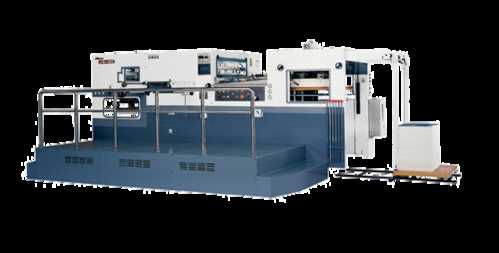
Die-Cutting and Creasing Combo Machines: Perform cutting and creasing simultaneously.
Applications in Various Industries
Creasing machines are widely used in the printing and packaging industries. They enable clean folds in brochures, book covers, greeting cards, business stationery and cartons. For example, printers use electric creasers to produce professional brochures and leaflets. In mail handling, creasers neatly fold envelopes and in packaging they score carton flaps. Creasing machines are also used in making invitations and coupons (with tear-off perforations). In summary, any printed material or packaging that requires a precise fold will use a creaser to improve appearance and durability.
Material selection Considerations
Creasing machines are built for rigidity and precision. The frame and base are typically heavy steel or cast iron (often welded) to resist deflection under pressure. The creasing dies (male and female scores) are made of hardened tool steel to withstand repeated compression against paper. Rollers or platens that contact paper may be steel or anodized aluminum for smoothness. Wear surfaces are often nickel or chrome plated. Handles and adjustment knobs use steel or zinc alloys. In terms of factors: parts must be wear-resistant (abrasion from paper dust), stiff (to maintain alignment), and corrosion-resistant (machinery often in printing shops). No special high-temperature requirements apply, but tight manufacturing tolerances demand stable metals.