
HOTLINE: +91 851-114-2701
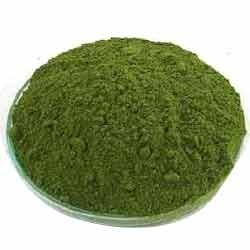

Food Additives
Food additives are substances added to food to maintain or improve its safety, freshness, taste, texture, or appearance. They are typically added in small quantities during the processing, preparation, or storage of food products. Their use is strictly regulated by governmental bodies to ensure consumer safety.
Types of Food Additives
Preservatives: Prevent spoilage from microbes (bacteria, yeasts, molds) or chemical changes (oxidation). Examples: Sodium benzoate, sorbic acid, nitrites, sulfites, antioxidants (e.g., Vitamin C - ascorbic acid, Vitamin E - tocopherols).
Sweeteners: Provide sweetness without or with fewer calories than sugar. Examples: Aspartame, sucralose, stevia, saccharin, xylitol.
Colorings (Dyes): Enhance or add color to food. Examples: Tartrazine (yellow), Allura Red (red), natural colors like annatto, curcumin, beet red.
Flavorings/Flavor Enhancers: Add or enhance taste and aroma. Examples: Monosodium glutamate (MSG), yeast extract, artificial and natural flavor compounds.
Emulsifiers: Help mix ingredients that normally separate (e.g., oil and water). Examples: Lecithin, mono- and diglycerides.
Stabilizers & Thickeners: Improve texture and consistency, prevent separation. Examples: Gums (xanthan gum, guar gum, carrageenan), starches, gelatin, pectin.
Acidity Regulators (pH Regulators): Control acidity or alkalinity. Examples: Citric acid, phosphoric acid, sodium bicarbonate.
Anti-caking Agents: Prevent powders from clumping. Examples: Silicon dioxide, calcium carbonate.
Leavening Agents: Produce gases to lighten baked goods. Examples: Baking soda (sodium bicarbonate), baking powder.
Nutrient Fortifiers: Add vitamins, minerals, or other nutrients to enhance nutritional value. Examples: Ascorbic acid (Vitamin C), iron, folic acid.
Applications, Technology in Various Industries Food additives are used throughout the food and beverage industry.
Applications in Various Industries
Baked Goods: Preservatives to prevent mold, leavening agents for rise, emulsifiers for texture.
Beverages: Sweeteners, colorings, flavorings, acidity regulators.
Dairy Products: Stabilizers in yogurt, emulsifiers in ice cream.
Processed Meats: Nitrites for curing and preventing botulism, antioxidants for freshness.
Snack Foods: Flavor enhancers, colors, preservatives.
Confectionery: Sweeteners, colors, flavorings, gelling agents.
Convenience Foods: A wide array of additives to maintain freshness, taste, and texture in ready-to-eat meals.
Material Selection Considerations