
HOTLINE: +91 851-114-2701
Hot Water Boilers
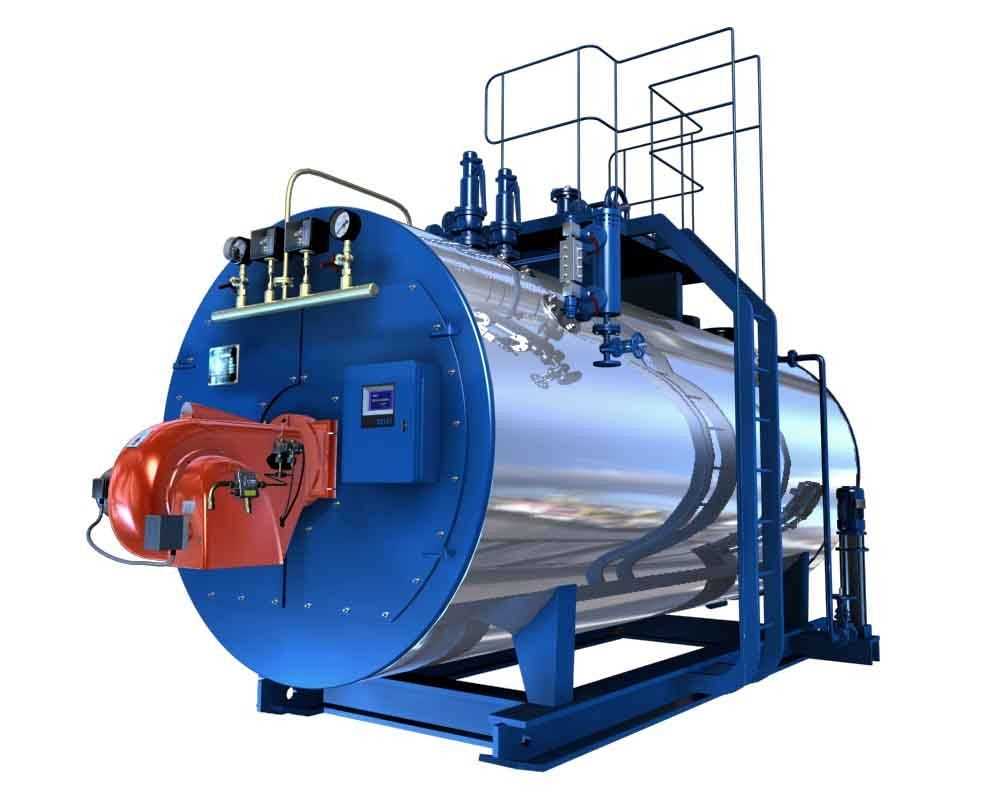
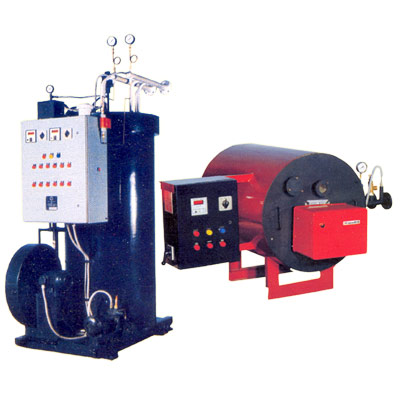
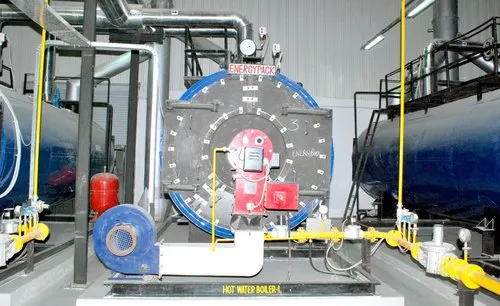
Devices that generate hot water by heating a fluid (usually water) through a heat source, typically for space heating, domestic hot water supply, or various industrial processes. They operate at lower pressures and temperatures compared to steam boilers.
Types of Hot Water Boilers
Residential Hot Water Boilers:
Smaller capacity, for home heating and hot water.
Conventional/Storage Tank Boilers: Heat and store hot water.
Tankless/On-Demand Boilers: Heat water as it flows, no storage.
Condensing Boilers: Highly efficient, recover latent heat from flue gases.
Commercial Hot Water Boilers:
Medium to large capacity for commercial buildings, schools, hospitals.
Industrial Hot Water Boilers:
Large capacity, often custom-engineered for specific process heating requirements.
Heat Source Types:
Natural Gas, Propane, Fuel Oil, Electric, Biomass (wood pellets, chips), Solar (as a supplementary heat source).
Applications in Various Industries
Space Heating: Residential, commercial buildings, industrial facilities (via radiant floor heating, radiators, baseboard heaters).
Domestic Hot Water: Homes, hotels, hospitals.
Industrial Process Heating: Chemical processing, food processing (e.g., brewing, blanching), textile dyeing, sterilization, agriculture (e.g., greenhouses).
District Heating: Centralized systems supplying hot water to multiple buildings.
Technology:
Combustion Systems: Burners optimized for fuel type, often with forced draft.
Heat Exchangers: Fire-tube or water-tube designs to transfer heat efficiently.
Controls: Microprocessor-based controls for temperature regulation, safety interlocks, efficiency optimization, remote monitoring.
Circulation Pumps: To distribute hot water through the system.
Safety Devices: Pressure relief valves, high-limit temperature controls, low-water cut-off.
Flue Gas Economizers: For heat recovery in condensing boilers.
Modulating Burners: Adjust heat output based on demand for efficiency.
Material Selection Considerations
Heat Exchanger/Boiler Vessel: