
HOTLINE: +91 851-114-2701
7 listings from verified sellers across India

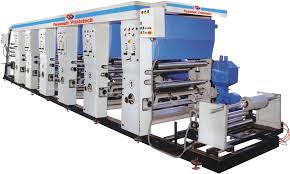
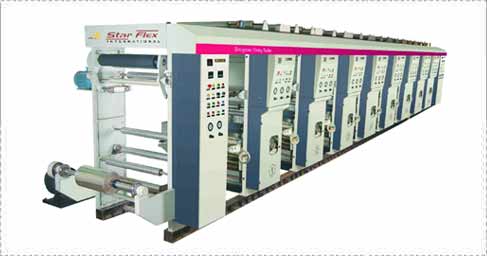
Rotogravure Printing Machine
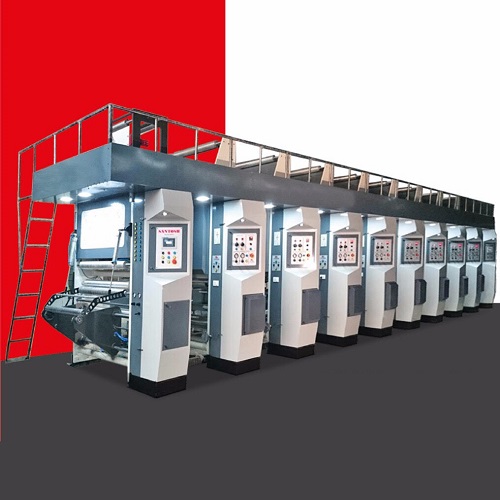
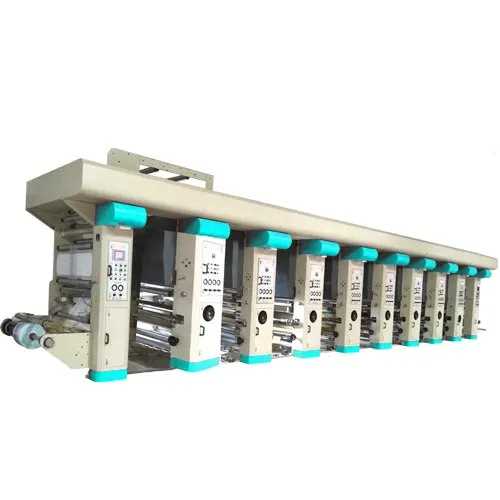
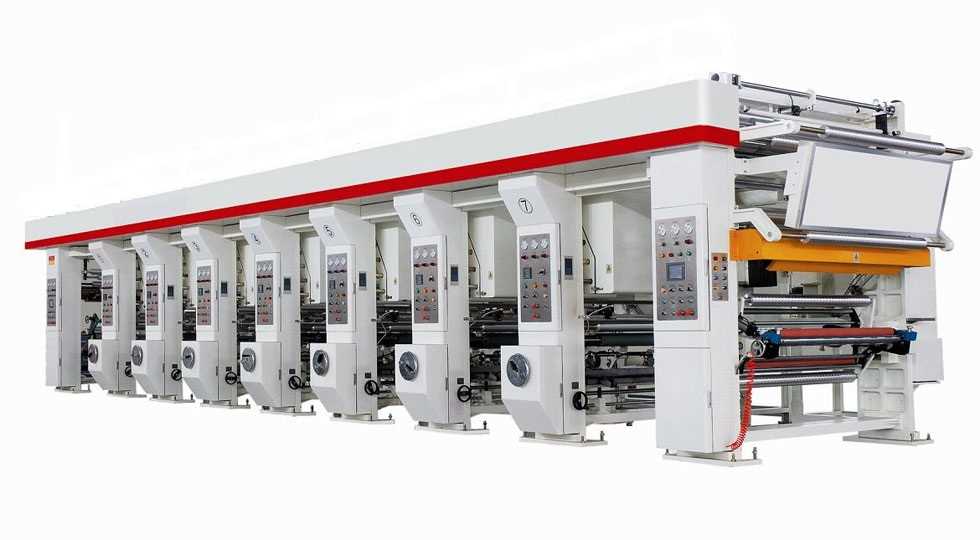
A rotogravure printing machine is a type of printing press that uses an intaglio printing process, meaning the image is etched or engraved onto a cylinder. The image areas are recessed into the cylinder, while the non-image areas are raised. During printing, the cylinder is submerged in ink, and a doctor blade scrapes excess ink from the non-image areas, leaving ink only in the recessed cells. This ink is then transferred directly onto the substrate (typically flexible film, paper, or foil) under pressure. Rotogravure is known for its high print quality, excellent color reproduction, and high-speed capabilities, making it ideal for long print runs of flexible packaging and publications.
Types of Product:
Stack-Type Rotogravure Machines: Printing units are stacked vertically.
In-Line Rotogravure Machines (Unit-Type): Individual printing units are arranged horizontally in a line. Most common for multi-color flexible packaging.
Common Impression Cylinder (CI) Rotogravure Machines: All printing units print around a single large impression cylinder, ideal for maintaining tight registration on delicate substrates.
Shaftless Rotogravure Machines: Use independent servo motors for each printing unit, eliminating the need for a mechanical drive shaft, offering faster setup, better registration, and less vibration.
Hybrid Rotogravure Machines: Combine gravure printing with other printing technologies (e.g., flexography, offset, digital) for specialized applications.
Laboratory/Pilot Rotogravure Machines: Smaller scale for R&D and sample production.
Applications in Various Industries:
Flexible Packaging: Printing on plastic films (PET, BOPP, PVC, PE), aluminum foil, and laminated materials for food packaging (snacks, confectioneries), pharmaceutical packaging, and consumer goods. Known for vibrant colors and intricate designs.
Publication Printing: High-volume magazines, catalogs, brochures (though offset and digital are increasingly competitive).
Decorative Printing: Wallpapers, laminates, gift wraps, textiles.
Security Printing: High-security features on banknotes, stamps, and official documents.
Tobacco Industry: Packaging.
Technology:
Engraved Cylinders: The heart of rotogravure. Copper cylinders are typically engraved using electromechanical engraving (diamond stylus), laser engraving, or chemical etching. The cell depth and size control ink transfer.
Doctor Blade System: A thin steel blade that scrapes excess ink from the non-image areas of the cylinder surface. Requires precise angle and pressure control.
Ink System: Low-viscosity, fast-drying solvent-based or water-based inks. Includes ink trays, pumps, and circulation systems.
Drying Systems: High-velocity hot air dryers (gas or electric) between each color unit to rapidly dry the ink before the next color is applied. Essential for high-speed operation.
Registration Control: Sophisticated electronic or servo-driven systems to ensure perfect alignment of colors across multiple printing units, critical for multicolor printing.
Web Tension Control: Precision tension control systems (load cells, dancers) throughout the machine to handle flexible substrates without stretching or wrinkling.
Automatic Splicing: For continuous operation, systems automatically splice new rolls of substrate without stopping the press.
Corona Treater: Often used before printing to improve the surface energy of plastic films for better ink adhesion.
Waste Edge Trimming & Rewinding: Systems for trimming off the side edges of the printed web and rewinding the finished material.
Material Selection Considerations: